Legally Reviewed by Frank Marsalisi on August 31, 2026
Distracted driving happens the moment a driver’s eyes, hands, or mind leave the task of operating a vehicle, and it only takes a few seconds of that lapse to cause a serious crash. Whether a driver glances at a text message, reaches for a drink, or simply loses focus in heavy traffic, the result is the same: a vehicle moving at speed with no one fully in control of it.
At Marsalisi Law, we represent people across St. Petersburg and the greater Tampa Bay area who were hurt because another driver was not paying attention. Our car accident team has reviewed phone records, witness statements, and crash reports in cases where distraction played a central role, and we know how quickly that kind of evidence can disappear if no one acts on it.
The Three Categories of Distracted Driving
Distraction pulls a driver’s attention away from the road in three distinct ways. Visual distraction means the driver’s eyes leave the road, even briefly, to look at a phone, a dashboard screen, or something outside the vehicle. Manual distraction means at least one hand comes off the wheel, whether to reach for an object, adjust a mirror, or hold a device. Cognitive distraction means the driver’s mind wanders away from the task of driving, even if the eyes stay forward and the hands stay on the wheel.
According to the CDC, texting while driving is considered the most dangerous form of distraction because it combines all three categories at once. A driver who is texting looks down at the screen, holds the phone instead of the wheel, and thinks about composing a message rather than watching traffic. That combination is part of why texting-related crashes tend to involve longer reaction times and more severe outcomes than distractions that only affect one category.
Current Distracted Driving Statistics
Federal data shows how often distraction plays a role in serious crashes nationwide. According to the National Highway Traffic Safety Administration, 3,208 people died in distraction-affected crashes in 2024, and roughly 315,000 more were injured in crashes involving a distracted driver that same year. Distraction was reported as a factor in about 5 percent of fatal crashes and around 12 percent of all police-reported crashes in 2024, and cell phone use specifically was a factor in about 14 percent of distraction-affected fatal crashes, up from 12 percent the year before. Drivers between the ages of 15 and 20 make up the largest share of distracted drivers involved in fatal crashes, which reflects how much a lapse in experience can compound a lapse in attention.
These figures only capture crashes serious enough to make a fatality report, so they likely understate how often a distracted driver causes a crash that results in property damage or a moderate injury instead. Many drivers also spend more time behind the wheel than they may realize. A widely cited AAA Foundation for Traffic Safety survey found that American drivers log close to 18,000 minutes behind the wheel each year, which adds up to a lot of opportunities for a moment of distraction to turn into a crash.
Florida’s Distracted Driving and Texting-While-Driving Laws
Florida addresses distracted driving through two separate statutes. Under Florida’s Wireless Communications While Driving Law, manually typing, entering, or sending a text, email, or instant message while operating a moving vehicle is a primary offense, meaning an officer can stop a driver for that violation alone without needing another reason for the stop. This law has applied statewide as a primary offense since July 2019.
A second statute goes further in school and active work zones, where drivers cannot hold a wireless device at all, whether to talk, text, or check a notification. Florida is not yet a full hands-free state outside of those zones. A 2025 legislative proposal that would have banned holding a phone anywhere in the state did not pass, so drivers may still legally hold a phone to make a call outside a school or work zone even though texting itself remains illegal everywhere in Florida.
A first texting citation is a non-moving violation with a relatively small fine and no points against a driver’s license, but a second citation adds points, and a citation issued in a school or work zone carries higher penalties. For a personal injury claim, a distracted driving citation or a driver’s own statement about what they were doing at the time of the crash can become useful evidence, separate from whatever traffic penalty the driver may face in court.
Common Causes of Distracted Driving on Florida Roads
Texting and Smartphone Use
Smartphones remain the most common source of distraction for Florida drivers. Reviewing a notification, typing a reply, or glancing at a map application all pull a driver’s attention off the road for several seconds at a time, which covers real distance at highway speed and can be enough to miss a stopped vehicle or a pedestrian stepping into a crosswalk. Some commentators have compared the reaction-time impact of texting while driving to driving after drinking, since both can slow a driver’s response to a sudden hazard. If checking a phone is a habit that is hard to break in the car, keeping the device out of reach, such as in a bag or the back seat, removes the temptation before it becomes a problem.
Impairment and Other Everyday Distractions
Alcohol and drug impairment can also pull a driver’s focus away from the road, and the CDC reports that impaired driving continues to claim thousands of lives across the country every year. Passengers, pets, food, changing the radio, and simply daydreaming round out the list of everyday distractions that can lead to a crash. None of these habits are unique to any one type of driver. They affect commuters, parents running errands, and visitors unfamiliar with local roads alike, including the pedestrians and cyclists who share the same streets.
How Distracted Driving Is Proven in a Florida Injury Claim
A driver rarely admits to being distracted at the time of a crash, so proving it usually depends on gathering the right evidence quickly, before it becomes harder to access. We routinely look at several sources when we build a distracted driving case for a client, including the following.
- Cell phone records: call and text logs can show whether a driver was using a phone in the moments before the crash;
- Witness accounts: people who saw the driver looking down, drifting between lanes, or failing to brake can support your version of events;
- Dashcam and traffic camera footage: nearby cameras can capture what the driver was doing just before impact;
- Vehicle event data: many newer vehicles store speed, braking, and steering information from the seconds before a collision;
- The police report: an officer’s observations and any citation issued at the scene can add weight to your claim.
Acting quickly matters because phone carriers do not preserve detailed records indefinitely, and footage from nearby businesses or traffic cameras is often overwritten within days or weeks.
What Compensation May Be Available After a Distracted Driving Accident
If a distracted driver caused your crash, you may be able to pursue compensation for medical expenses, lost income, and other losses tied to the collision, though what is available depends on the facts of your case and the insurance coverage involved. Florida’s comparative fault rules mean an insurance company may still try to shift some blame onto you, which is one more reason a clear evidence trail matters from the start. We cannot promise a particular result in any case, but we can help you understand what the evidence shows and what your options may look like.
How Marsalisi Law Can Help After a Distracted Driving Accident
Frank Marsalisi has represented injured drivers, passengers, cyclists, and pedestrians throughout St. Petersburg and the greater Tampa Bay area, building a practice around direct attorney involvement in every case rather than handing files off to a rotating team of case managers. That approach means someone who understands distracted driving cases is reviewing the evidence in yours from the start.
If you or someone you love was hurt by a distracted driver in St. Petersburg or elsewhere in Pinellas County, do not wait to understand your options, since evidence like phone records and camera footage can disappear quickly. To talk through what happened and what steps may make sense for your situation, please contact Marsalisi Law.
Frequently Asked Questions About Distracted Driving Accidents
What are the three types of distracted driving?
Distracted driving generally falls into three categories: visual, which means taking your eyes off the road; manual, which means taking a hand off the wheel; and cognitive, which means letting your mind wander from the task of driving. Texting combines all three at once, which is part of why it is considered one of the most dangerous forms of distraction.
Is texting while driving illegal in Florida?
Yes. Florida’s Wireless Communications While Driving Law makes texting, emailing, and instant messaging behind the wheel a primary offense statewide, meaning an officer can stop a driver for that violation alone. Handheld phone use is also banned entirely in school and active work zones, though Florida has not yet passed a broader hands-free law covering every road.
How can distracted driving be proven after a car accident?
Proving distraction usually relies on a combination of evidence, since a driver rarely admits to being on the phone or looking away from the road. Cell phone records, witness statements, dashcam or traffic camera footage, vehicle event data, and the police report can all help establish what a driver was doing in the moments before a crash.
Is distracted driving as dangerous as drunk driving?
Distracted driving and drunk driving can both slow a driver’s reaction time and reduce awareness of hazards, and some studies have compared the two directly. Distraction remains one of the leading factors in serious crashes nationwide, and it can be just as dangerous as impairment depending on the circumstances of the crash.
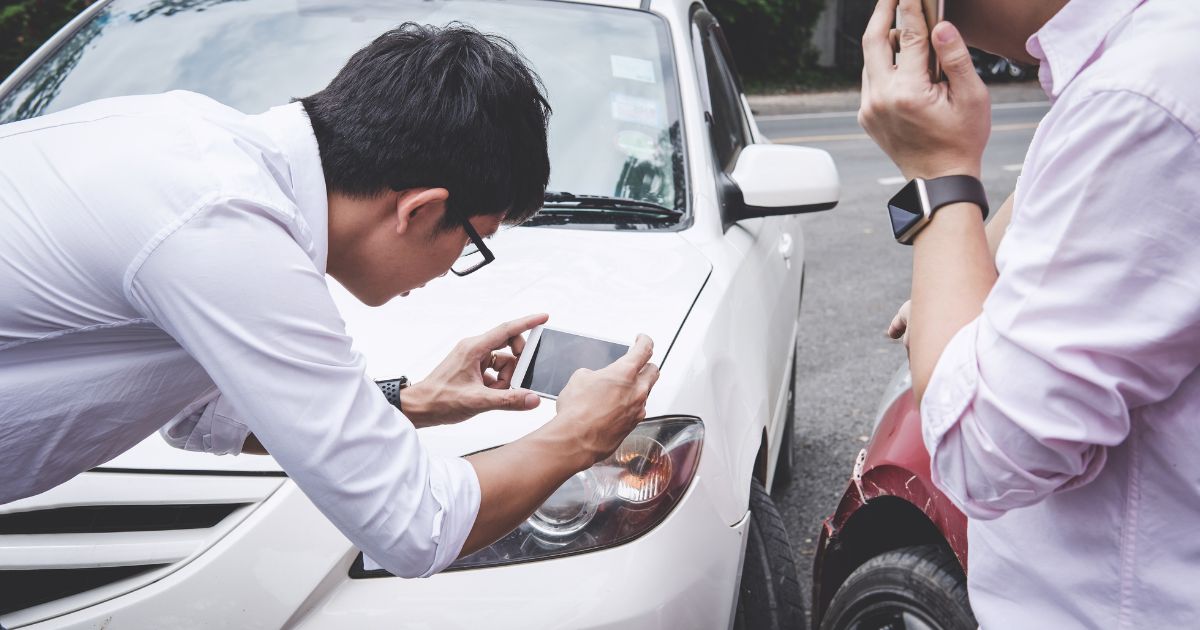
What should I do if a distracted driver caused my accident?
Seek medical care first, then document the scene with photos and gather contact information from any witnesses if it is safe to do so. A police report and prompt medical treatment help create a record connecting the crash to your injuries, and reaching out to discuss your options sooner rather than later can help preserve evidence like phone records and camera footage.
ABOUT THE ATTORNEY
Founder, Marsalisi Law
Frank Marsalisi founded Marsalisi Law, a St. Petersburg, Florida personal injury firm representing clients throughout the region.