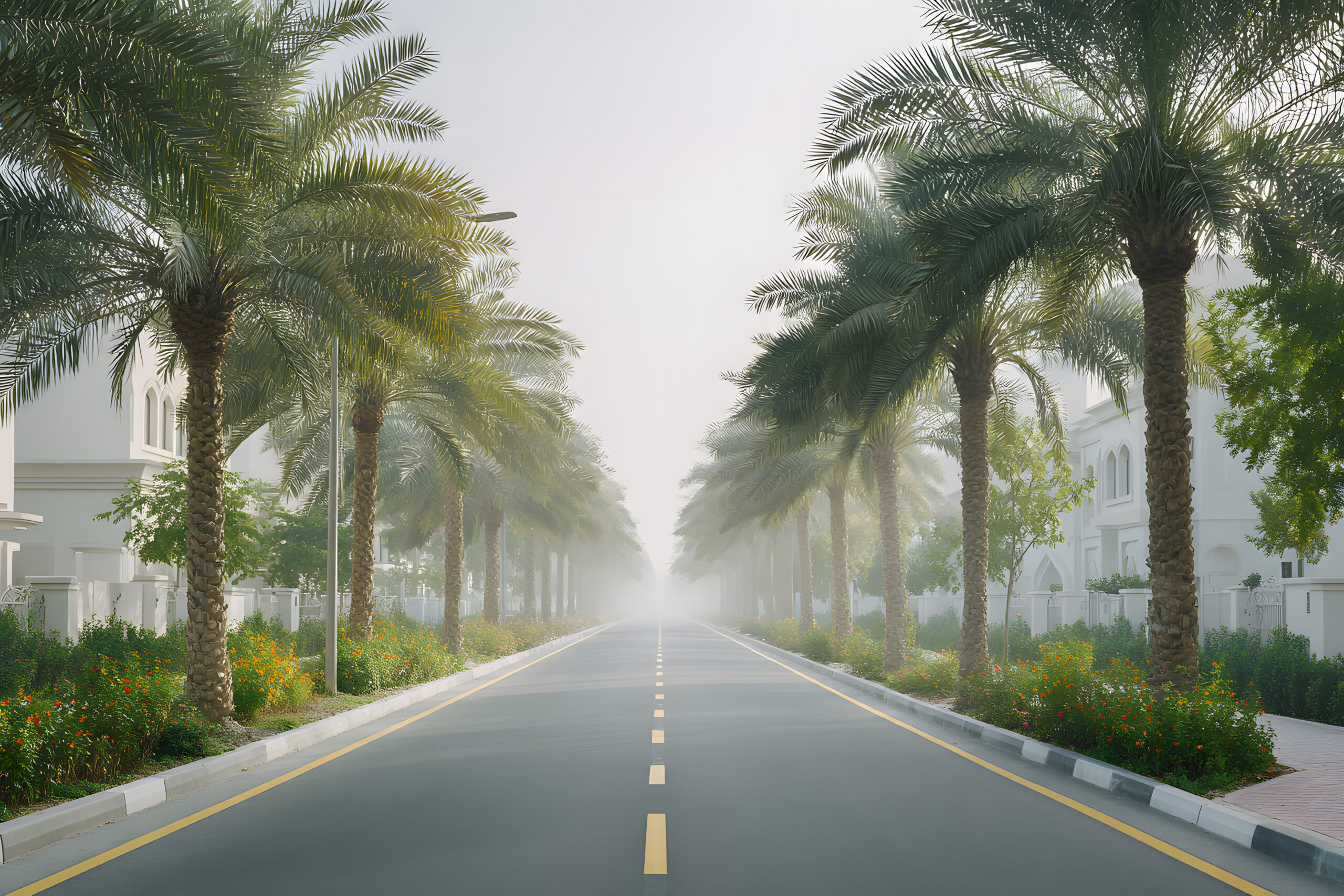
Winter in Florida may not bring snow or ice, but driving in the Tampa Bay region still comes with unique challenges. While the rest of the country is navigating frozen roads, Florida drivers face an entirely different set of hazards: heavy tourist traffic, unpredictable rain patterns, dense morning fog, early sunsets, and intense dry-road glare common during the winter season.
These conditions contribute to a noticeable rise in car accidents, pedestrian collisions, and roadway injuries in Tampa, St. Petersburg, Clearwater, Sarasota, Bradenton, Lakeland, Wesley Chapel, and Pasco/Hernando counties each winter across the Tampa Bay region.
Understanding these seasonal risks can help drivers stay safer and more aware on Florida’s busy roadways during the winter months.
1. Tourist Traffic and Congested Roadways
Winter is the peak tourist season. Visitors unfamiliar with local streets often slow abruptly, hesitate at merges, or make last-second turns. High-traffic areas include:
- Clearwater Beach
- Downtown Tampa
- Gulf Boulevard from St. Pete Beach to Indian Shores
- University Parkway in Sarasota
- The approaches to the Skyway Bridge
Traffic congestion increases rear-end collisions, lane-change crashes, and pedestrian incidents, some of the most common pedestrian winter accidents in Florida during peak travel months.
2. Early Sunsets and Reduced Visibility
Winter days are shorter, which means more commuters are driving in low-light conditions. Early dusk affects visibility in:
- Downtown St. Petersburg
- Tampa’s Westshore and Channelside districts
- Clearwater causeways
- Sarasota waterfront areas
Reduced visibility makes it harder to see crosswalks, bicyclists, and e-bike riders, especially during busy tourist months when pedestrian activity remains high after dark.
3. Dense Morning Fog Across the Region
Fog season hits Tampa Bay hard in the winter. Conditions can go from clear to extremely limited visibility in minutes, especially near:
- The Howard Frankland Bridge
- Gandy Bridge
- Skyway Bridge corridors
- Brandon wetlands
- Sarasota and Manatee rural roads
These conditions contribute to a spike in Tampa Bay fog accidents, often caused by sudden slowdowns and reduced stopping distances between vehicles.
4. Dry-Road Glare
Florida’s low-angled winter sunlight creates powerful glare that reflects off dry pavement, windshields, and water surfaces. This is particularly dangerous during morning and evening commutes when traffic volume is highest.
Dry-road glare often leads to:
- Missed traffic signals
- Difficulty judging distance
- Reduced ability to see pedestrians and cyclists
- Side-impact collisions at intersections
Drivers along Bayshore Blvd, Memorial Highway, U.S. 19, and major Sarasota roadways frequently report temporary blindness or difficulty seeing ahead for brief but dangerous periods.
5. Unpredictable Winter Rain Patterns
Unlike summer storms, winter rain tends to be lighter but more sporadic. When a brief shower hits after a long dry stretch, oil and debris rise to the surface and create slick conditions that drivers may not anticipate.
This contributes to:
- Skidding on curves
- Longer braking distances
- Loss of control at intersections
- Multi-car collisions on highways
Accidents are especially common along I-75, I-275, Dale Mabry Hwy, U.S. 41, and SR-60 near Brandon during sudden rain events.
6. Increased Pedestrian, Cyclist, and E-Bike Activity
Cooler weather encourages more people to walk, jog, and ride. Popular winter routes include:
- Tampa Riverwalk
- St. Pete Pier
- The Pinellas Trail
- Bayshore Blvd
- Legacy Trail in Sarasota
Tourists crossing unfamiliar intersections, combined with early darkness, increase the risk of pedestrian winter accidents in Florida, especially near hotels, beaches, and nightlife districts throughout Tampa Bay.
How to Stay Safe on Tampa Bay Roads This Winter
- Slow down in high-tourist zones
- Use headlights earlier in the evening
- Keep extra distance in fog or rain
- Wear sunglasses to reduce glare
- Approach crosswalks cautiously
- Limit distractions and avoid sudden lane changes
A few proactive steps can significantly reduce your risk of a winter-related crash.
What to Do If You’re Injured in a Winter Driving Accident
If you’re involved in a crash anywhere in Tampa Bay, St. Petersburg, Clearwater, Sarasota, Lakeland, Pasco, or Manatee County:
- Call 911
- Document the scene and surrounding conditions
- Exchange information with all involved
- Get medical care
- Speak with a personal injury attorney about your situation
An attorney can help explain the options available depending on the circumstances of the accident. Marsalisi Law offers free consultations so individuals can better understand their rights and next steps after a winter driving injury.