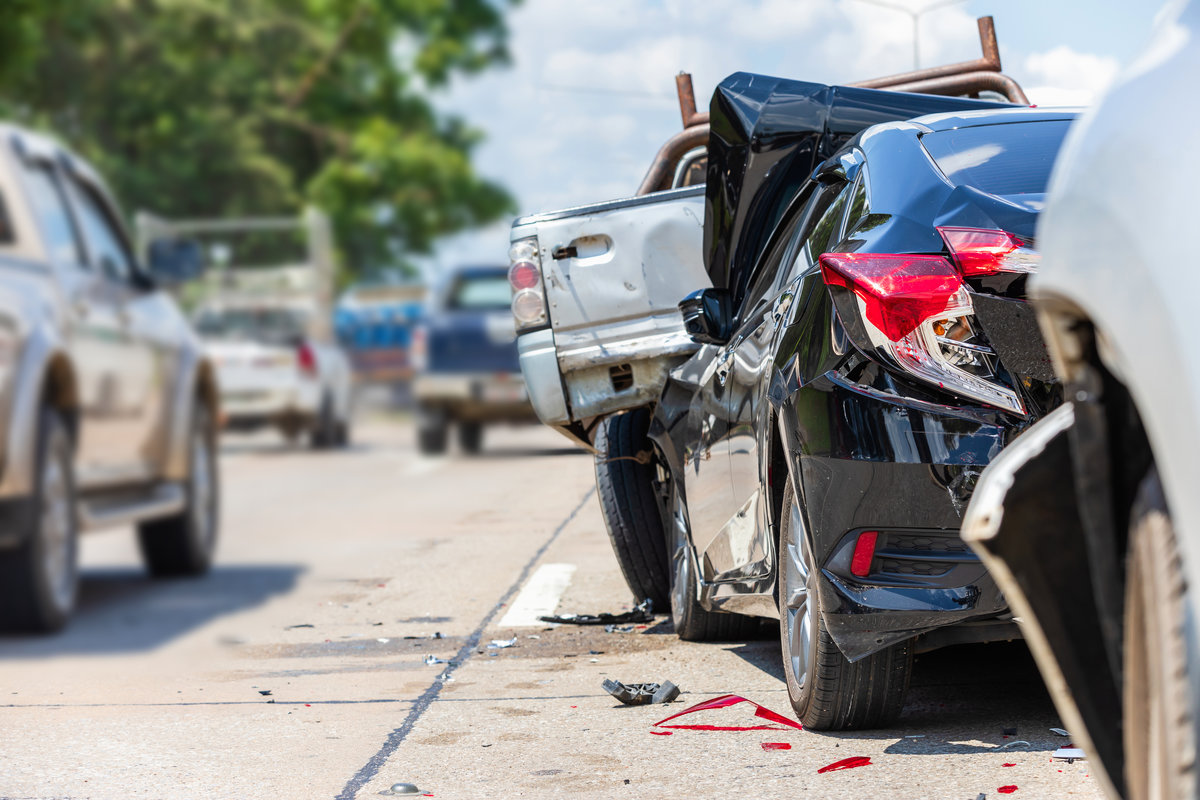
Every year, Spring Break brings a surge of visitors to St. Petersburg, Florida, filling beaches, hotels, restaurants, and entertainment districts throughout Pinellas County. While the influx of tourists boosts the local economy, it also creates significantly heavier traffic and more dangerous road conditions.
For both locals and visitors, Spring Break traffic can increase the risk of car accidents, pedestrian injuries, and other roadway incidents. Understanding why accident rates often rise during this time of year can help drivers and pedestrians stay safer on the roads.
Why Traffic Spikes During Spring Break
St. Petersburg is a popular Spring Break destination thanks to its beaches, nightlife, and proximity to Tampa Bay. Visitors travel from across the country to enjoy locations like St. Pete Beach, Pass-a-Grille, Treasure Island, and Fort De Soto Park.
During this period, roadways experience a dramatic increase in congestion as tourists, rideshare drivers, rental vehicles, and local residents all share the same streets.
Common causes of traffic congestion during Spring Break include:
- Increased tourism and beach travel;
- Rental cars and unfamiliar drivers navigating local roads;
- Higher rideshare activity near bars, beaches, and events;
- Large crowds moving between downtown and coastal areas;
- Limited parking near beaches and entertainment districts.
These conditions often lead to heavier congestion, sudden braking, distracted driving, and aggressive lane changes, all of which can increase the likelihood of accidents.
Roads in St. Petersburg That See More Spring Break Accidents
Certain roads in St. Petersburg and throughout Pinellas County tend to experience heavier traffic and higher accident rates during Spring Break.
Some of the busiest areas include:
- Gulf Boulevard, which runs along many of the area’s beach communities;
- Interstate 275, the main route connecting Tampa and St. Petersburg;
- Central Avenue, especially near downtown nightlife areas;
- Beach Drive and surrounding downtown streets;
- Major beach access roads and parking areas.
When traffic increases in these areas, the likelihood of rear-end collisions, intersection crashes, and pedestrian accidents often rises significantly.
More Pedestrians on the Road
Spring Break does not just bring more drivers. It also brings far more pedestrians and cyclists.
Visitors frequently walk between beaches, hotels, restaurants, and bars. This increases the number of people crossing busy streets or walking near traffic.
Drivers who are unfamiliar with local roads or distracted by navigation apps may not anticipate pedestrians in certain areas, especially near beach access points and entertainment districts.
These factors contribute to a higher risk of pedestrian accidents in St. Petersburg during Spring Break.
Crosswalk areas near beaches, hotels, and entertainment districts can become especially busy during peak Spring Break weekends.
Alcohol and Impaired Driving
Another factor that contributes to increased accident risk during Spring Break is alcohol consumption.
Bars, beach parties, and nightlife are major attractions for many visitors. Unfortunately, impaired driving can lead to serious crashes involving vehicles, motorcycles, bicycles, or pedestrians.
Local law enforcement agencies often increase patrols and DUI checkpoints during Spring Break to address this risk.
Despite increased enforcement, impaired driving continues to be a factor in many serious crashes throughout Florida.
What to Do After a Spring Break Car Accident
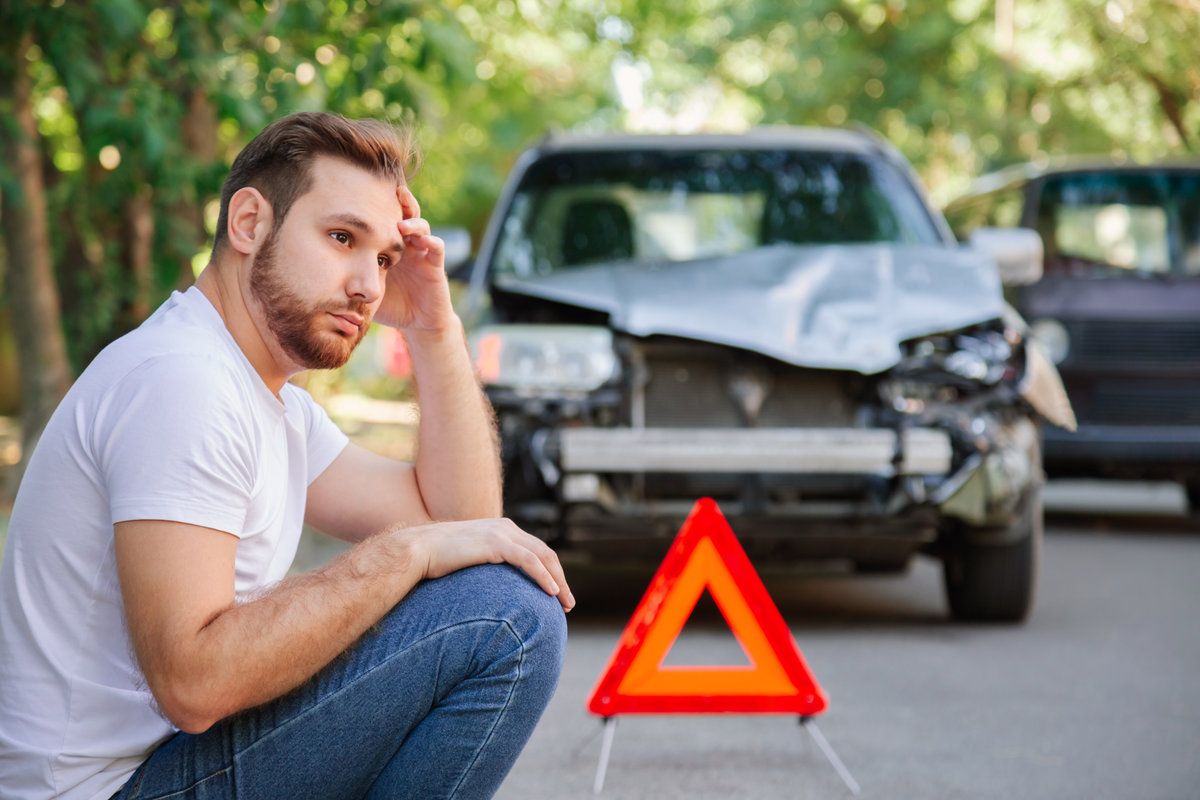
If you are involved in a car accident during Spring Break in St. Petersburg, taking the right steps afterward can be important.
Key steps include:
- Seek medical attention, even if injuries seem minor;
- Report the accident to law enforcement so an official report is created;
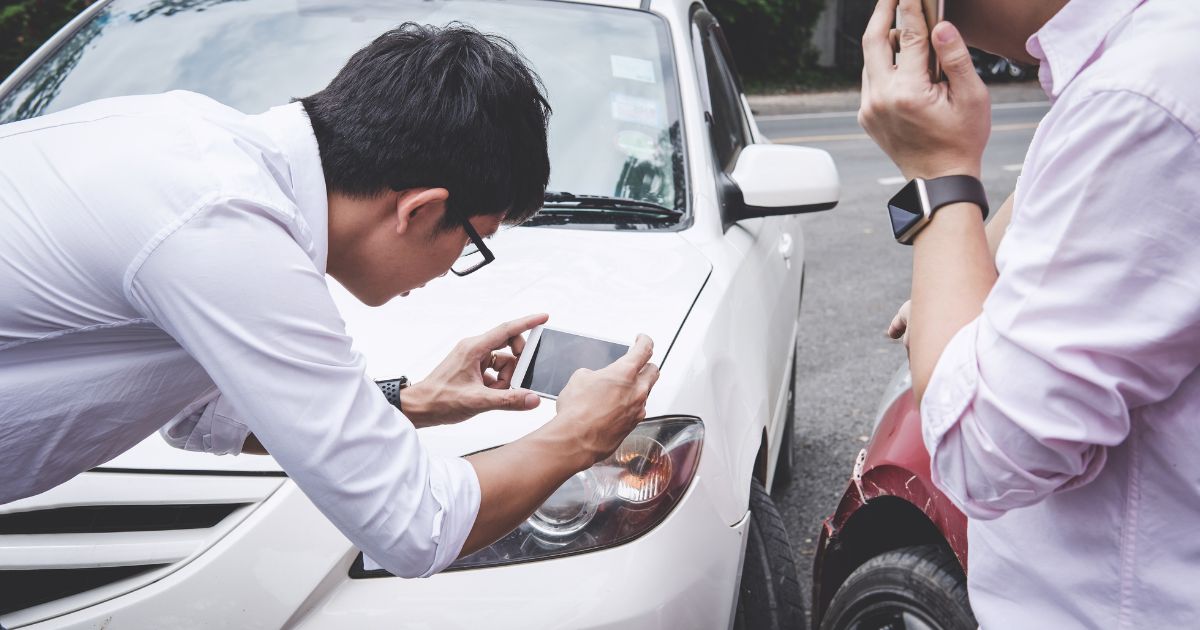
- Document the scene with photos and gather witness information if possible;
- Exchange insurance information with the other driver;
- Be cautious when speaking with insurance companies, especially about fault or injuries.
In Florida, accident victims typically must obtain medical care from a qualified health care provider within 14 days to qualify for Personal Injury Protection (PIP) benefits.
Protecting Yourself During Spring Break Traffic
While the increased traffic during Spring Break cannot be avoided, drivers and pedestrians can take steps to reduce their risk.
Some safety tips include:
- Allow extra travel time during peak hours;
- Avoid distracted driving and stay alert in crowded areas;
- Watch carefully for pedestrians and cyclists near beaches and downtown;
- Use rideshare services instead of driving after drinking;
- Follow posted speed limits and traffic signals.
Taking extra precautions during busy tourism seasons can help reduce the likelihood of accidents and injuries.
Final Thoughts
Spring Break is an exciting time in St. Petersburg, but the increased traffic and crowds can also create dangerous road conditions. With more vehicles, pedestrians, and nightlife activity, accident risks often rise throughout the area.
Understanding these seasonal risks and taking reasonable precautions can help locals and visitors stay safer while enjoying everything St. Petersburg and the surrounding Pinellas County area have to offer.
If you were injured in a car accident during Spring Break in St. Petersburg, learning about your legal options early can help protect your ability to pursue compensation.