Legally Reviewed by Frank Marsalisi on August 25, 2026
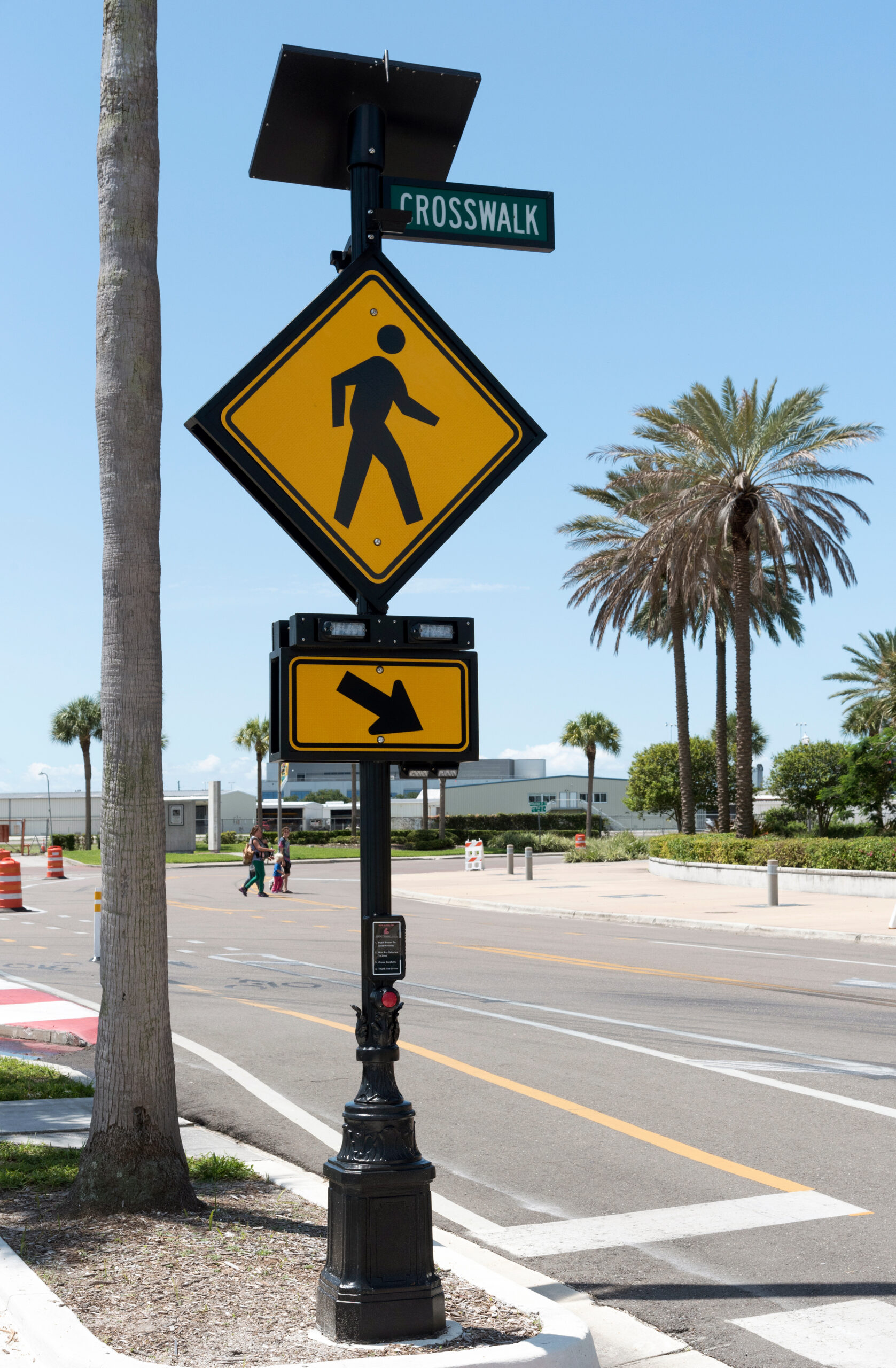
In Florida, pedestrians generally have the right of way in a crosswalk, including marked crosswalks and most intersections here in St. Petersburg, even when lines are not clearly painted. That right of way, however, is not absolute, and it does not automatically decide who is at fault after a crash.
At Marsalisi Law, we work with people who were injured in crosswalk accidents across Pinellas County, and we have learned that the right-of-way question is rarely as simple as it sounds. Drivers are generally required to yield to pedestrians in crosswalks, but the specific circumstances, including timing, visibility, and traffic conditions, can affect how fault is ultimately determined.
When the Rules Get Complicated
But here is where it gets real. It is not always that simple. Pedestrians cannot step directly into traffic if a car does not have enough time to stop, and drivers are still expected to stay alert, especially in busy areas around downtown St. Pete, the beaches, and school zones where foot traffic is constant.
According to the Florida Department of Highway Safety and Motor Vehicles, all sides of an intersection are considered crosswalks, marked or not, unless a state or local government has explicitly closed a particular crosswalk with signage indicating its closure.
What Florida Statute 316.130 Actually Requires
Florida Statute 316.130 governs pedestrian right-of-way at crosswalks. It requires drivers to yield to a pedestrian crossing within a marked or unmarked crosswalk, but it also requires pedestrians not to leave a curb or other place of safety and walk or run into the path of a vehicle that is so close it is impracticable for the driver to yield. Both obligations exist at the same time, which is exactly why fault disputes in crosswalk cases so often come down to timing and visibility rather than a simple rule about who had the right of way.
What We See in Real Crosswalk Cases
We see a lot of crosswalk accident cases where both sides think they had the right of way. Drivers say the pedestrian came out of nowhere. Pedestrians assume they are fully protected. The truth usually comes down to timing, visibility, and driver behavior in that moment, along with physical evidence like skid marks, vehicle damage, and any available surveillance or traffic camera footage.
How Florida’s Comparative Negligence Rule Affects Your Claim
Florida uses modified comparative negligence, which means fault can be shared. Even if a pedestrian had the right of way, any recovery may be reduced based on their percentage of fault, and it may be barred entirely if they are found more than fifty percent responsible. That is why these cases are rarely as straightforward as people expect, and why insurance adjusters often look for any detail that could shift blame toward the pedestrian.
How Insurance and PIP Coverage Apply After a Crosswalk Accident
Florida’s no-fault system means an injured pedestrian typically looks first to personal injury protection coverage, whether through their own auto policy, a household member’s policy, or, in some cases, the at-fault driver’s policy. PIP generally covers a portion of medical bills and lost wages regardless of fault, but it often is not enough to cover the full cost of a serious injury, which is when a claim against the driver’s bodily injury liability coverage may become necessary. Our guide on how insurance works when a pedestrian is injured in Florida covers this in more detail.
Why the Details Matter So Much
At Marsalisi Law, we work with clients across St. Petersburg who are trying to figure out what really happened and what their options are. We focus on the details that insurance companies often try to blur. Working with Frank P. Marsalisi means getting direct attention from an attorney with more than 18 years of personal injury experience and over 300 five-star Google reviews from clients across Tampa Bay.
What to Do After a Crosswalk Accident
Seek medical attention right away, even if your injuries seem minor, since some injuries do not become apparent for hours or days. Call the police so an official report is created, and if you are able, photograph the crosswalk, the vehicle, and the surrounding area before conditions change. Avoid discussing fault with the driver or their insurance company, and speak with an attorney before accepting any settlement offer or signing any paperwork.
Florida’s Statute of Limitations for Pedestrian Injury Claims
Florida generally allows two years from the date of the crash to file a personal injury lawsuit. Our guide to Florida’s two-year statute of limitations explains how this deadline works and what can affect it.
Talk to Marsalisi Law About Your Crosswalk Accident
If you were involved in a crosswalk accident, we offer free consultations so you can get clear, honest answers before moving forward. Before speaking with the insurance company, it is important to understand your rights and how these issues may affect your claim.
Marsalisi Law is Where Law Gets Personal! To get clarity on your situation without pressure or obligation, please contact our office for a free consultation today.
Frequently Asked Questions About Crosswalk Accidents in Florida
Do pedestrians always have the right of way in Florida?
Pedestrians generally have the right of way in marked and unmarked crosswalks, but Florida law also requires them not to step into traffic when a vehicle does not have enough time to stop.
Can I still recover damages if I was partly at fault for a crosswalk accident?
Yes, in most cases. Florida applies comparative negligence, so your recovery may be reduced by your percentage of fault, and it may be barred entirely if you are found more than fifty percent responsible.
What if there was no marked crosswalk where I was hit?
Florida treats all sides of most intersections as crosswalks, marked or not, unless a local government has specifically closed that crossing with signage. An attorney can help determine how this applies to your accident location.
Does my own auto insurance cover me if I am hit as a pedestrian?
In many cases, yes. Personal injury protection coverage on your own policy or a household member’s policy often applies to pedestrian crashes, though a claim against the driver’s liability coverage may be needed for more serious injuries.
How long do I have to file a claim after a crosswalk accident in Florida?
Florida generally allows two years from the date of the crash to file a personal injury lawsuit. Speaking with an attorney early helps preserve evidence like witness statements and video footage.
About the Attorney
Founder, Marsalisi Law
Frank P. Marsalisi is a bilingual trial lawyer and St. Petersburg native who founded Marsalisi Law to represent people hurt in pedestrian, motorcycle, and car accidents throughout the Tampa Bay area. He holds a Bachelor of Arts in Criminology from the University of Florida and a Juris Doctor from the University of Pittsburgh School of Law, and has been a member of the Florida Bar since 2008.