School zones become significantly busier when St. Petersburg students return to class because traffic patterns change almost overnight. School buses are back on the road, drop-off lines grow longer, and more children are walking or biking through neighborhood streets.
Drivers who are distracted, rushed, or unfamiliar with a school’s traffic pattern may not react quickly enough when a vehicle stops or a child enters the roadway.
Why Are School-Zone Accidents More Common?
The beginning of the school year brings several risks together at the same time:
- Heavier morning and afternoon traffic
- Sudden stops near school entrances
- Children crossing between parked vehicles
- Congested drop-off and pickup lines
- School buses making frequent stops
- Drivers looking at phones or rushing to work
Many of these risks are temporary, but they are most noticeable during the first several weeks of the school year while families adjust to new routines. These conditions are especially common near St. Pete’s neighborhood schools and along busy roads such as 4th Street, 34th Street, Tyrone Boulevard, Park Street, and 49th Street.
What Is the School-Zone Speed Limit in Florida?
Florida school-zone speed limits are generally 15-20 mph when the posted restrictions are active. Drivers should watch for flashing lights and posted times, which can vary by location. Florida law does not allow a school zone speed limit above 20 mph.
Even at lower speeds, a collision can seriously injure a child, bicyclist, crossing guard, or parent. Drivers should slow down before entering the school zone and leave enough room for the vehicle ahead to stop unexpectedly. A pedestrian accident attorney can help a family understand their options when a child or pedestrian is hurt near a school.
Can school-zone accidents happen even when drivers are obeying the speed limit?
Yes. Reduced speed limits help lower the risk of serious injuries, but they cannot eliminate it. Children may enter a crosswalk unexpectedly, drivers may become distracted, and traffic often stops suddenly near school entrances. Staying alert is just as important as driving at the posted speed limit.
Are Handheld Phones Allowed in Florida School Zones?
No. Florida prohibits drivers from using a handheld wireless device while driving through a designated school crossing or school zone. This allows law enforcement to stop and cite a driver for the violation. The Florida Highway Safety and Motor Vehicles (FLHSMV) website provides additional guidance regarding school-zone safety requirements.
Put the phone down before entering the area. A text can wait. A child stepping into the road cannot. Florida’s distracted driving laws can factor heavily into who is held responsible after this type of crash.
How Can St. Pete Drivers Help Prevent School-Zone Accidents?
Leave earlier, expect delays, and watch for children near crosswalks, bus stops, bike lanes, and parked vehicles. Avoid blocking intersections or attempting unsafe turns to get around a drop-off line.
When a school bus displays flashing red lights and extends its stop arm, drivers must follow Florida’s school-bus stopping laws. Passing a stopped school bus places children entering or exiting the bus at immediate risk of serious injury. A center turn lane or painted median does not automatically allow traffic in the opposite direction to continue.
Injured in a St. Petersburg School-Zone Accident?
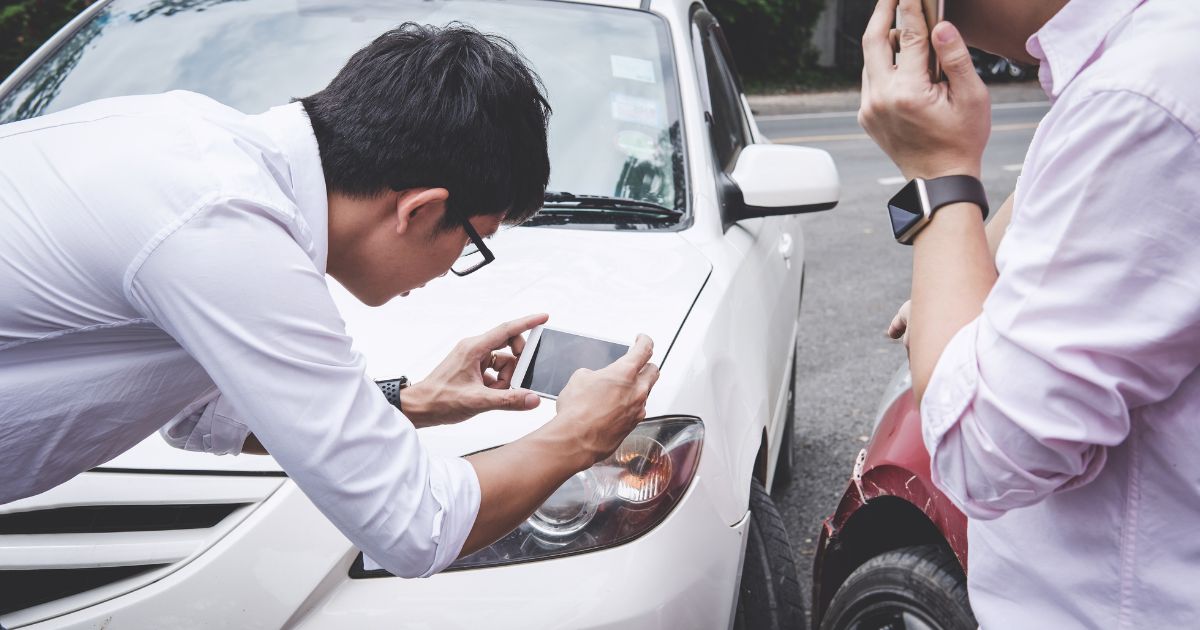
If you are involved in an accident, call 911 when someone may be injured, photograph the scene, and collect witness information. If nearby security cameras may have recorded the crash, identify their locations before leaving the scene whenever it is safe to do so. Seek medical attention promptly, even if the pain does not appear immediately.
Questions after a school-zone accident? Every collision is different, and preserving evidence early can make a meaningful difference. Marsalisi Law can review the circumstances of your accident and explain your legal options during a free consultation. Visit marsalisilaw.com to learn more or schedule a consultation.