Spring Break brings thousands of visitors to St. Petersburg, Florida each year. With beautiful beaches, waterfront bars, boating, and major events throughout the Tampa Bay area, the city becomes a popular destination for travelers looking to relax and celebrate.
Unfortunately, the increase in tourism and activity also leads to a higher number of accidents and injuries. From car crashes to boating incidents, Spring Break can create conditions where accidents are more likely to occur.
If you are a local resident or visiting the St. Petersburg area during Spring Break, understanding these risks and knowing what to do after an accident can help protect both your health and your legal rights.
Why Accidents Increase During Spring Break
St. Petersburg and the surrounding Pinellas County area experience a noticeable surge in traffic and activity during Spring Break. Beaches such as St. Pete Beach, Pass-a-Grille, and Fort De Soto attract visitors from across the country.
With more people on the roads, waterways, and public spaces, the chances of accidents increase.
Several factors contribute to this seasonal spike in injuries:
- Heavy traffic and unfamiliar drivers;
- Increased alcohol consumption;
- More pedestrian and bicycle activity;
- Boat traffic in Tampa Bay and the Gulf;
- Large crowds at beaches, bars, and events.
When these factors combine, even routine travel around the city can quickly turn into an accident situation.
Common Spring Break Accidents in St. Petersburg
During Spring Break, certain types of accidents occur more frequently in the St. Petersburg area.
Car Accidents
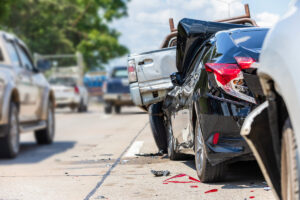
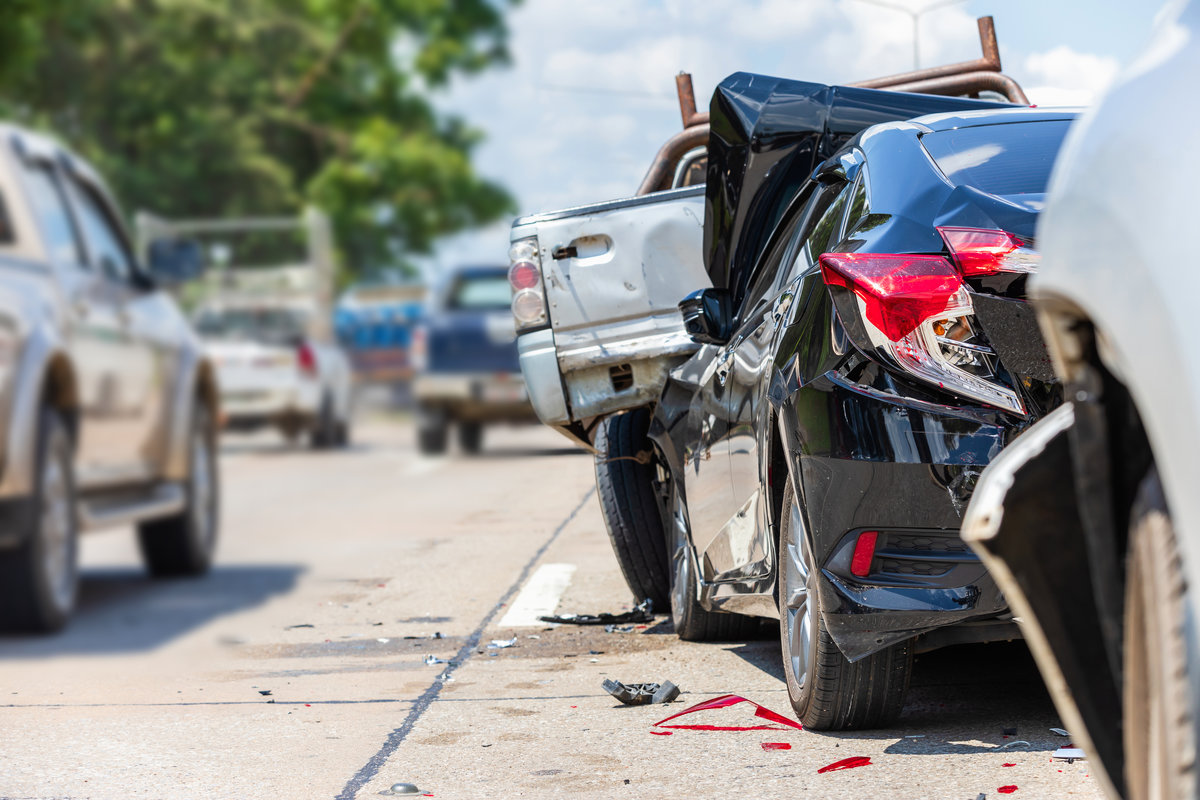
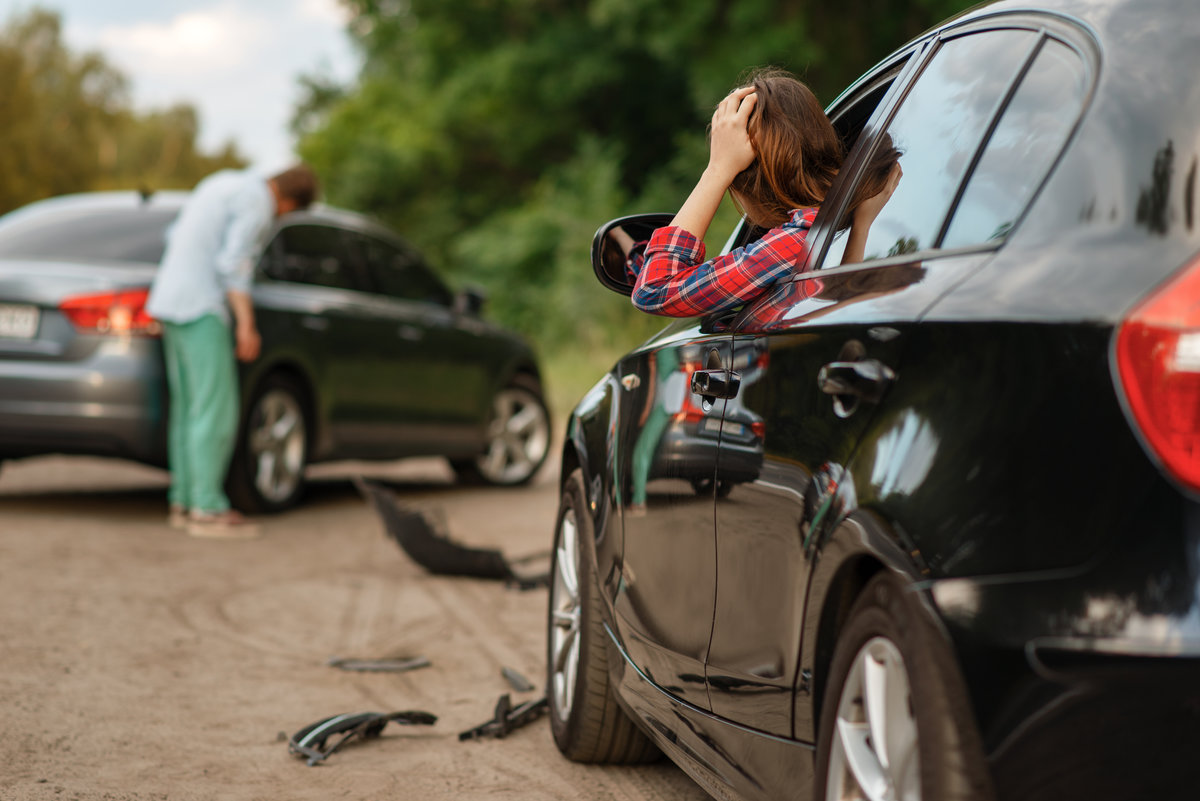
With visitors unfamiliar with local roads and heavy congestion near beaches and downtown areas, car accidents often increase during peak travel periods.
Busy roadways such as Gulf Boulevard, I-275, and Central Avenue tend to see more crashes when tourism is at its highest.
Other heavily traveled areas during Spring Break include beach access roads, downtown St. Petersburg entertainment districts, and major intersections connecting the barrier islands to the mainland.
Pedestrian and Bicycle Accidents
Spring Break brings a large number of pedestrians and cyclists to beach communities. Unfortunately, crowded streets and distracted driving can lead to serious pedestrian and bicycle accidents.
These incidents often occur near beach access points, entertainment districts, and crosswalks.
Drivers who are unfamiliar with the area or relying heavily on navigation apps may be less aware of pedestrian crossings or bike lanes.
Boating and Jet Ski Accidents
The waters around St. Petersburg become extremely busy during Spring Break. Boating, jet skiing, and recreational watercraft are popular activities for visitors.
Collisions, inexperienced operators, and alcohol use can all contribute to boating accidents in the Tampa Bay area.
Crowded waterways, rental jet skis, and inexperienced operators can increase the likelihood of boating collisions or other water-related injuries.
Slip and Fall Injuries
Hotels, bars, restaurants, and beachside venues often operate at full capacity during Spring Break. Wet floors, crowded conditions, and poorly maintained property can increase the risk of slip and fall injuries.
Property owners have a responsibility to maintain safe conditions for guests and visitors.
When property owners fail to address hazardous conditions, they may be responsible for injuries that occur on their premises.
What to Do After an Accident During Spring Break
Whether you are a local resident or visiting St. Petersburg, the steps you take after an accident can be important.
Seek Medical Attention
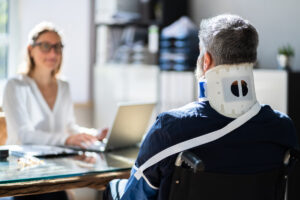
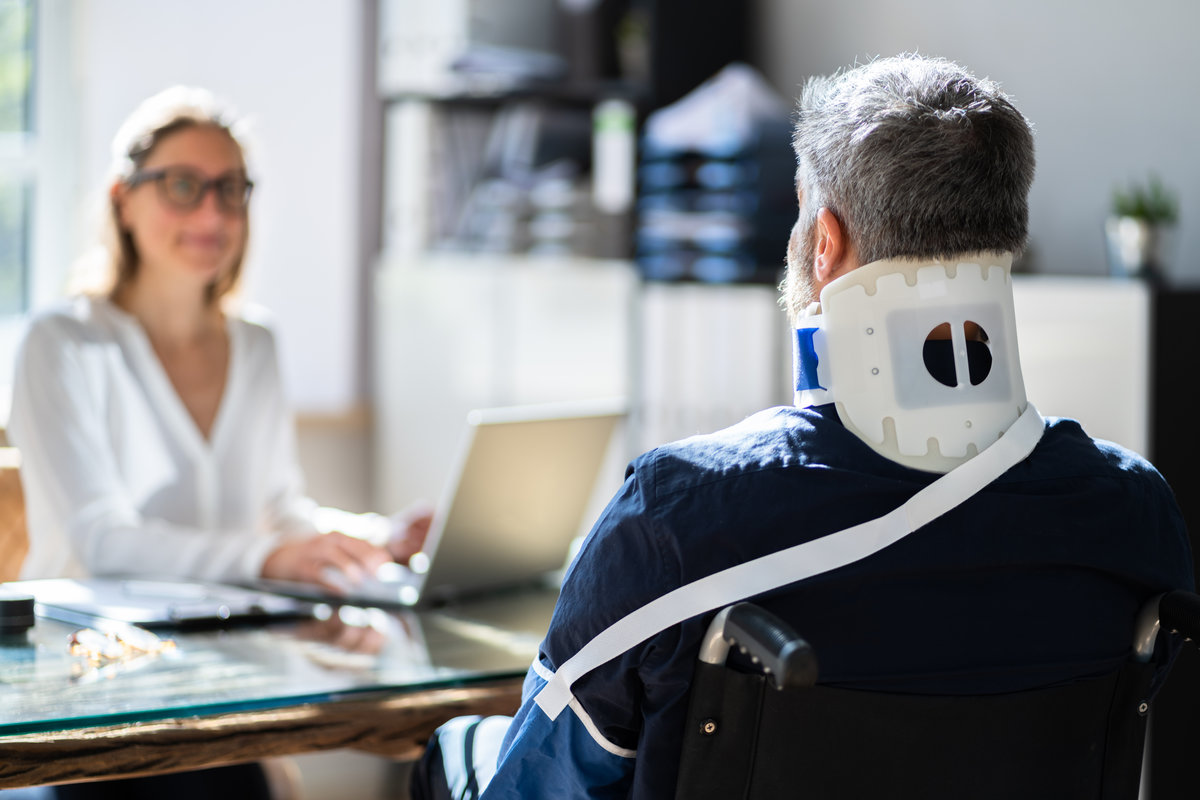
Even if injuries appear minor at first, it is important to receive medical care. Some injuries may not be immediately obvious after an accident.
In Florida, individuals involved in car accidents generally must obtain medical treatment from a qualified healthcare providers within 14 days to qualify for Personal Injury Protection (PIP) benefits.
Report the Accident
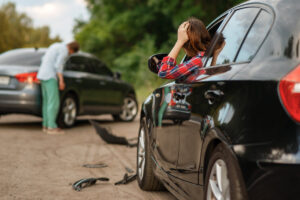
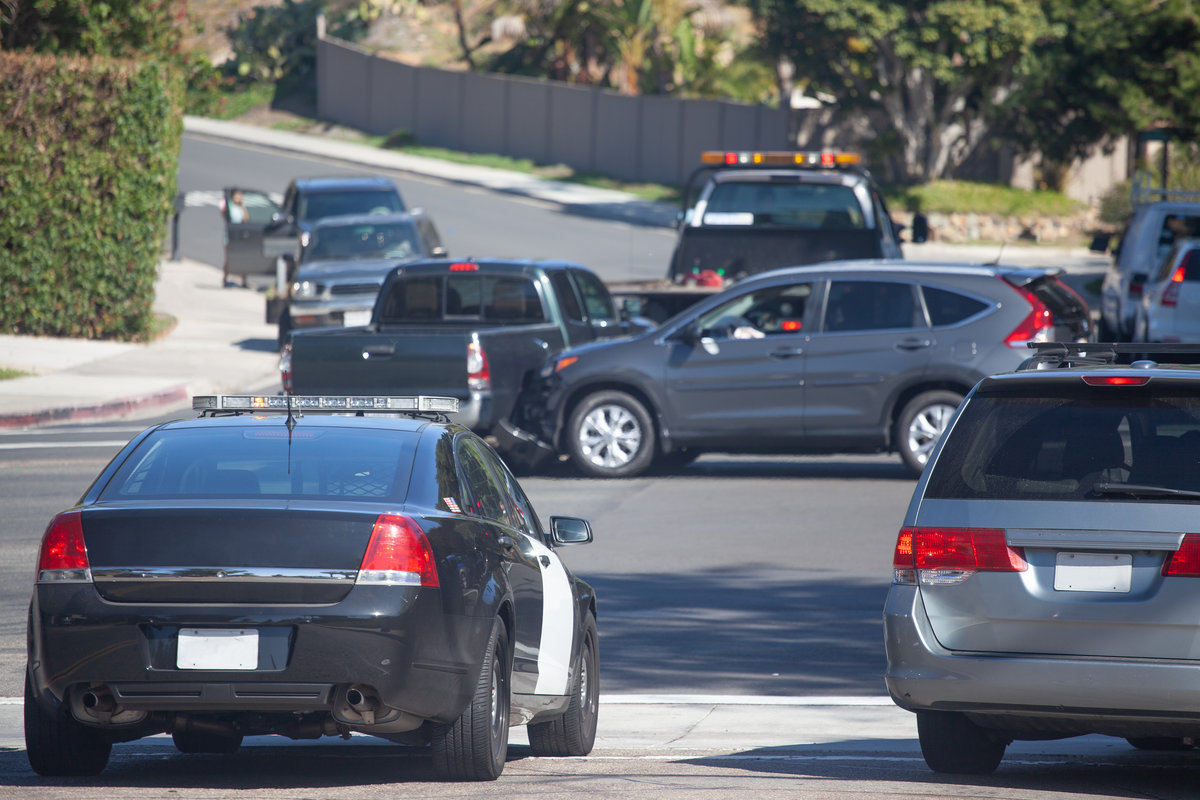
If the accident involves a vehicle, contact law enforcement and request a police report. This documentation can be an important part of any insurance or legal claim.
An official accident report can help document the circumstances of the crash and identify the parties involved.
Gather Evidence
If possible, collect information such as:
- Photos of the accident scene;
- Contact information for witnesses;
- Insurance details from other parties involved;
- Medical records related to your injuries.
This information can help establish how the accident occurred and who may be responsible for the injuries.
Be Careful When Speaking With Insurance Companies
Insurance companies may contact you soon after an accident. While they may appear helpful, their goal is often to minimize payouts.
It is usually wise to avoid discussing fault, speculating about the accident, or giving recorded statements before understanding your legal rights.
Legal Considerations for Visitors Injured in St. Petersburg
Many Spring Break accidents involve visitors who live in other states. If you are injured while visiting Florida, your claim is generally handled under Florida personal injury law, even if you reside elsewhere.
This can include rules related to insurance coverage, liability, and filing deadlines.
Because these cases can involve multiple insurance policies and jurisdictions, legal guidance can help ensure the process is handled correctly.
Staying Safe During Spring Break in St. Petersburg
Spring Break is meant to be a fun and relaxing time for visitors and residents alike. Staying aware of increased traffic, crowded conditions, and potential hazards can help reduce the risk of accidents.
If an accident does occur, taking the right steps afterward can make a significant difference in protecting both your health and your legal rights.
If you were injured in a car accident, boating accident, or other incident in St. Petersburg or anywhere in Pinellas County during Spring Break, understanding your legal options early can help you protect your claim.