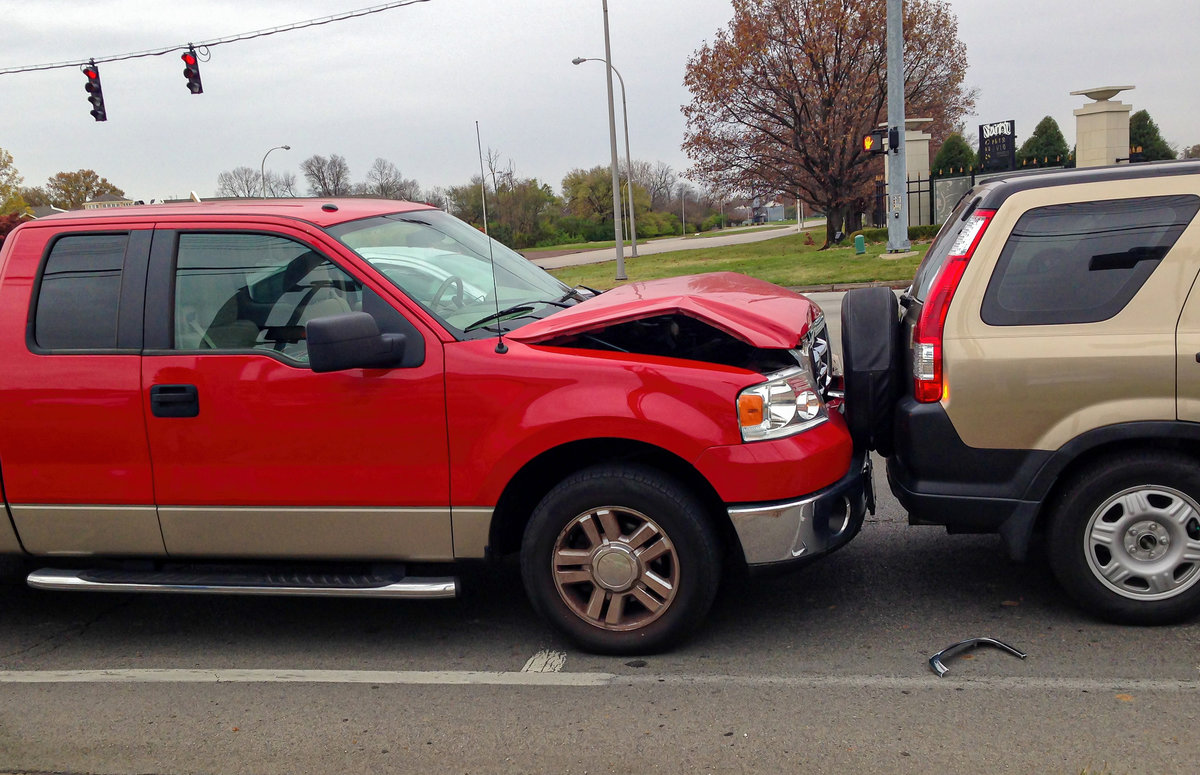
Rear-end accidents are one of the most common types of car crashes in St. Petersburg and throughout Pinellas County. These collisions often happen in heavy traffic, at stoplights, or when drivers are distracted.
A common question after this type of crash is: Who is actually at fault in a rear-end accident?
In many cases, the driver who hits the vehicle in front is presumed to be at fault. However, there are situations where liability may be more complicated.
Florida Law and Rear-End Collisions
Under Florida law, there is generally a presumption that the rear driver is responsible for a rear-end crash. Drivers are expected to maintain a safe following distance and be able to stop safely if traffic slows or stops.
Because of this Rule, the driver who strikes another vehicle from behind is often considered negligent.
However, this presumption is not always absolute, and it can sometimes be rebutted depending on the circumstances of the crash.
There are circumstances where the front driver or another party may share responsibility.
Situations Where Fault May Be Disputed
Although the rear driver is usually blamed, certain factors may shift or reduce liability.
Sudden or Unsafe Stops
If a driver in front suddenly stops for no reason or makes an unsafe maneuver, the rear driver may not be fully responsible for the collision.
For example, an unexpected stop in moving traffic or a sudden lane change followed by braking could affect how fault is determined.
Brake Checking
Intentionally slamming on the brakes to intimidate another driver, often called brake checking, can contribute to a crash and affect liability.
Broken Brake Lights
If the front vehicle’s brake lights are not working, the driver behind may not have enough warning that the vehicle is stopping.
Multi-Vehicle Accidents
Rear-end collisions sometimes involve multiple vehicles. In these situations, fault may be shared among several drivers depending on how the crash occurred.
Chain-reaction crashes on busy roadways such as Interstate 275 or major intersections in St. Petersburg can involve multiple vehicles and more complex liability analysis.
Common Causes of Rear-End Accidents in St. Petersburg
Many rear-end crashes are linked to driver behavior or road conditions.
Common causes include:
- Distracted driving;
- Following too closely;
- Speeding in heavy traffic;
- Sudden traffic slowdowns;
- Weather or poor road conditions.
Busy roads such as Interstate 275, Gulf Boulevard, and major intersections in downtown St. Petersburg often see these types of accidents.
Congested areas near beach access roads and downtown entertainment districts can also experience an increase in rear-end collisions during peak travel periods.
What to Do After a Rear-End Accident
If you are involved in a rear-end accident in St. Petersburg, taking the right steps can help protect your health and your claim.
- Call law enforcement and report the crash;
- Seek medical attention, even if injuries seem minor;
- Take photos of the vehicles and accident scene;
- Exchange insurance and contact information;
- Obtain a copy of the police report.
In Florida, accident victims typically must obtain medical treatment from a qualified healthcare provider within 14 days to qualify for Personal Injury Protection (PIP) benefits.
Prompt medical documentation can also help establish that your injuries were caused by the crash.
Final Thoughts
While the rear driver is often presumed to be at fault in a St. Petersburg rear-end accident, the details of the crash can sometimes change how liability is determined.
Understanding how rear-end accident cases work can help injured drivers and passengers protect their rights and pursue compensation when another driver’s negligence causes an injury.
If you were injured in a rear-end collision in St. Petersburg or anywhere in Pinellas County, learning about your legal options early can help you avoid mistakes that may affect your claim.