Night Vision: Driving Safety Tips

MARSALISI LAW
January 5, 2018
Night-Vision_-Driving-Safety-Tips

Legally Reviewed by Frank P. Marsalisi on September 1, 2026

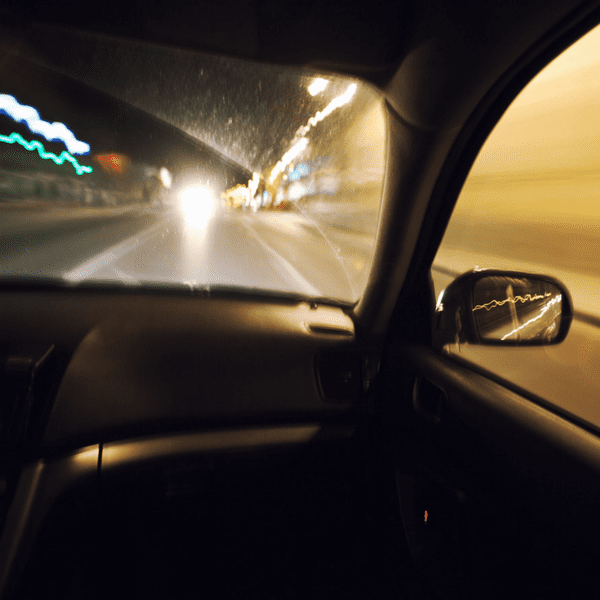
Nighttime driving carries a meaningfully higher crash risk than driving during the day, even though far fewer vehicles are on the road after dark. Reduced visibility, headlight glare, and driver fatigue all combine to make hazards harder to spot in time to react, which is why a handful of specific habits, from adjusting your headlights to managing glare from oncoming traffic, can meaningfully reduce your risk on any nighttime drive.

At Marsalisi Law, we see the aftermath of nighttime crashes throughout St. Petersburg and the greater Tampa Bay area, from rear-end collisions on poorly lit roads to crashes involving a driver blinded by oncoming high beams. Our car accident attorney, Frank P. Marsalisi, has represented clients hurt in these kinds of collisions, and we put together the safety guidance below along with an overview of how Florida law treats nighttime driving accidents. Whether you are trying to reduce your own risk on a nighttime commute or trying to understand what happened after a crash that already occurred, the sections below are meant to give you a practical starting point.

Why Nighttime Driving Carries a Higher Crash Risk

Federal crash data shows that roughly half of all traffic deaths occur at night, even though only about a quarter of total driving happens after dark, and that fatal crashes are several times more likely per mile driven at night than during the day. Much of this added risk comes down to visibility: even with high beams on, a driver’s headlights typically illuminate only a few hundred feet of road ahead, leaving less time to react to a stopped vehicle, a pedestrian, or an animal in the roadway.

Because so much of this added risk comes from limited visibility rather than traffic volume, taking a few specific precautions consistently lowers your risk of being involved in a nighttime collision. The sections below cover the habits that make the biggest difference, along with the Florida laws that come into play if a nighttime crash happens anyway.

Drowsy driving and impaired driving both add to the nighttime risk picture as well. Crashes involving alcohol impairment are far more common after dark than during the day, and drowsy driving crashes tend to cluster in the overnight hours when the body’s natural sleep cycle works against a driver’s alertness. None of these factors are within your control when they involve another driver, which is one reason defensive habits, like leaving extra following distance and staying especially attentive near bar closing times or long weekends, matter more at night than during the day.

Preparing Your Headlights for Nighttime Driving

Most vehicles now turn headlights on automatically, but that does not mean the headlights are working the way they should. Headlights can become misaligned over time, which can leave part of the road ahead poorly lit while also creating glare for oncoming drivers. If you plan to check your own headlight aim, use your vehicle’s manual as a guide and expect it to take a few attempts to get the adjustment right, or have the alignment checked at a repair shop. Headlights that point too low waste illumination on the pavement just ahead of your bumper, while headlights aimed too high can blind oncoming drivers well before you notice a problem yourself, since you rarely see your own glare from inside the vehicle.

Hazy or yellowed headlight lenses are another common issue on older vehicles, since UV exposure and road grime gradually cloud the plastic covers and scatter light rather than projecting it clearly down the road. A headlight restoration kit or a shop visit can often restore meaningful brightness at a fraction of the cost of full headlight replacement, and it is worth checking your lenses whenever you notice your nighttime visibility has quietly gotten worse over time.

Under Florida law, every vehicle on the road is required to display lighted lamps from sunset to sunrise and during periods of rain, smoke, or fog, and a violation is treated as a noncriminal traffic infraction. Beyond the legal requirement, testing your low beams, high beams, and turn signals on a regular basis helps make sure other drivers can see you and that you can see the road as clearly as your vehicle allows.

Using High Beams and Reducing Glare From Oncoming Traffic

High beams roughly double how far ahead you can see compared with low beams, which makes them valuable on darker roads with little other traffic. Florida drivers are expected to dim their high beams within 500 feet of an oncoming vehicle and to avoid using them when following closely behind another car, since the glare can temporarily blind the driver ahead of or facing you. Some newer vehicles include adaptive headlight systems that adjust the beam pattern automatically based on oncoming traffic, but most drivers still need to make this adjustment manually, which means paying attention to oncoming vehicles well before they are close enough for the glare to matter.

Staring directly at oncoming headlights is one of the more dangerous habits on a nighttime drive, since bright lights can disrupt your vision for several seconds after you look away. Instead of looking straight at approaching headlights, shift your gaze toward the right edge of the road or the lane markings until the other vehicle passes, then return your eyes to the road ahead. If the glare is severe enough that you genuinely cannot see the road ahead of you, slowing down slightly is a reasonable response, since a brief reduction in speed is far less risky than continuing at full speed while effectively driving blind for a few seconds. Adjusting your rearview mirror to its nighttime setting also helps reduce glare from headlights behind you, which is a small adjustment that many drivers forget is even available on their vehicle.

Managing Fatigue and Staying Alert Behind the Wheel

Drowsy driving crashes tend to cluster in the overnight hours, and fatigue can slow your reaction time in a way that feels similar to impairment, even without alcohol involved. Unlike headlight aim or windshield cleanliness, fatigue is something that can creep up gradually during a drive, which makes it easy to underestimate how impaired your reaction time has actually become. A few practical habits can help you stay alert on a longer nighttime drive:

  • Take a real break. Pull over somewhere safe rather than pushing through heavy eyelids or a wandering mind.
  • Dim your dashboard lights. A bright interior display makes it harder for your eyes to adjust back to the dark road ahead.
  • Avoid driving alone for long stretches after midnight. Fatigue-related crashes are more common during these overnight hours.
  • Keep a passenger engaged in conversation when possible. An alert passenger can also help watch for hazards.
  • Plan ahead for long trips. Getting adequate sleep beforehand matters more than caffeine once you are already tired.
  • Watch for warning signs. Drifting within your lane, missing an exit, or struggling to remember the last few miles are signals to stop, not push through.

None of these habits eliminate the risk of drowsy driving entirely, but together they give you more warning before fatigue becomes dangerous. Recognizing the early signs of fatigue is often more useful than trying to power through it, since reaction times can drop sharply in the final stretch before a driver actually falls asleep.

Vision, Corrective Lenses, and Clean Windshields

If you need corrective lenses or glasses to drive safely, wear them every time, including on short trips. Night driving already asks more of your eyes than daytime driving, and even a small gap in your vision correction can make it harder to pick out signs, pedestrians, or other vehicles until they are closer than you would like.

A clean windshield, mirrors, and headlights also make a real difference after dark, since dirt, streaks, and hazy plastic headlight covers can scatter light and increase glare from both your own headlights and oncoming ones. Keeping a microfiber cloth in the car makes it easy to wipe down glass and mirrors before a nighttime drive rather than waiting until visibility already feels compromised, and scheduling a yearly eye exam can catch vision changes that specifically affect night driving before they become a safety issue. Some people notice a condition sometimes described as night blindness, where adjusting from bright light to darkness, or the other way around, takes longer than it should. If headlights from oncoming cars leave you struggling to see clearly for several seconds afterward, that is worth mentioning at your next eye exam rather than assuming it is simply a normal part of driving after dark.

Additional Nighttime Hazards: Wildlife and Two-Lane Roads

Collisions with deer and other wildlife are more common at dusk and after dark, particularly in the fall months, and your headlights are often the first warning you get, since an animal’s eyes may reflect light before its body becomes visible. If you spot an animal near the roadway, slow down and brake steadily rather than swerving sharply, since a sudden swerve can cause a more serious crash than the original hazard.

Two-lane roads without a median present their own challenge at night, combining oncoming headlight glare with less separation from opposing traffic than a divided highway offers. Slowing down, keeping extra following distance, and staying especially alert on these roads can offset some of the added risk compared with a divided highway. In parts of the greater Tampa Bay area with rural stretches or newer development bordering undeveloped land, wildlife activity can pick up noticeably around dusk and dawn, so it is worth treating those transition hours with extra caution even on a route you drive regularly.

Florida Traffic Laws and Liability in Nighttime Car Accidents

Florida law requires headlights and other lighted lamps to be displayed from sunset to sunrise, and a driver who fails to do so, or whose headlights are so poorly aimed that they blind oncoming traffic, may be found negligent if that failure contributes to a crash. As in any Florida car accident case, fault is generally assessed under the state’s modified comparative negligence system, which allows an injured person to recover compensation reduced by their own percentage of fault, but bars recovery entirely for a party found more than 50 percent at fault.

Beyond the headlight statute itself, Florida drivers are generally held to a duty to drive at a speed and in a manner that accounts for actual road conditions, which includes reduced nighttime visibility. A driver who continues at a daytime speed on a poorly lit road, or who fails to slow down despite obvious glare or weather conditions, may be found to have breached that duty if a crash results. Evidence in a nighttime crash case often includes police lighting assessments, event data recorder information from the vehicles involved, and any available dash camera footage, in addition to the witness statements and photographs used in most car accident claims.

Because nighttime crashes often involve disputed questions about visibility, following distance, and reaction time, an early investigation matters. If a crash happens on a holiday weekend or another high-traffic period, our guidance on what to do after being injured in a weekend car crash covers many of the same evidence-preservation steps that apply to a nighttime collision.

How Marsalisi Law Can Help After a Nighttime Car Accident

A nighttime crash often comes down to a dispute over what each driver could reasonably see and when, which makes early evidence gathering more important than in a straightforward daytime collision. We review police reports, headlight and lighting evidence, witness statements, and vehicle damage patterns to help establish how a nighttime collision actually happened, then negotiate directly with the insurance company on your behalf so you are not left interpreting an adjuster’s arguments about visibility and fault on your own.

Our practice areas cover the range of injuries that can result from these crashes, from soft tissue injuries and fractures to more serious harm requiring long-term care, and we handle each case according to its own facts rather than treating every nighttime collision the same way. Where a driver’s failure to use proper headlights, address known glare, or adjust speed for conditions appears to have contributed to your crash, we work to document that connection clearly rather than leaving it as an assumption for an insurance adjuster to dispute.

Frequently Asked Questions About Night Driving Safety and Car Accidents

Why is nighttime driving more dangerous than daytime driving?

Nighttime driving is more dangerous largely because of reduced visibility, headlight glare, and higher rates of driver fatigue and impairment during overnight hours. Federal crash data shows that a disproportionate share of traffic deaths happen at night compared with the amount of driving that actually occurs after dark. Slower reaction times combined with limited sight distance make it harder to avoid hazards like stopped vehicles, pedestrians, or animals in the road.

How far ahead can headlights actually let you see at night?

Low beam headlights generally illuminate a few hundred feet of road ahead, while high beams roughly double that distance under good conditions. At higher speeds, this means your headlights may not let you see a hazard early enough to stop safely, which is one reason slowing down at night, especially on unfamiliar or unlit roads, can meaningfully reduce your risk of a collision.

Is it against the law to drive without headlights on at night in Florida?

Yes. Florida law requires vehicles to display lighted headlamps from sunset to sunrise, as well as during rain, smoke, or fog. A violation is treated as a noncriminal traffic infraction, and if a driver’s failure to use headlights properly contributes to a crash, that failure may also be considered as evidence of negligence in a resulting car accident claim.

What should I do if I am blinded by oncoming headlights?

Avoid staring directly at oncoming headlights, since doing so can affect your vision for several seconds afterward. Instead, shift your gaze toward the right edge of the road or the lane markings until the other vehicle passes, and slow down slightly if your visibility feels compromised. Keeping your own windshield and mirrors clean also reduces how much glare affects your eyes in the first place.

Can a driver be held liable for a nighttime accident caused by poor visibility?

A driver may be found negligent if their own conduct, such as failing to use required headlights, driving with misaligned or malfunctioning lights, or failing to adjust speed to match limited visibility, contributed to causing a nighttime crash. As with any Florida car accident claim, fault is generally assessed under the state’s comparative negligence rules, and a case-specific investigation is usually needed to determine how the visibility issue actually affected the collision.

What should I do if I am injured in a nighttime car accident?

Seek medical care, report the crash to law enforcement, and document the scene with photos if you are able to safely do so, including headlights, road lighting, and any visibility issues involved. Because nighttime crashes often turn on disputed visibility and reaction-time questions, speaking with a car accident attorney early can help make sure this evidence is preserved before it becomes harder to establish.

Marsalisi Law has represented drivers and passengers hurt in car accidents throughout St. Petersburg and Pinellas County since 2014, and we handle nighttime collision cases with the same attention to detail as any other crash, from headlight and lighting evidence to witness accounts of visibility conditions. Frank P. Marsalisi communicates with clients in both English and Spanish, has worked within Pinellas County’s courts and insurance system for years, and works on a contingency basis, meaning you owe nothing in attorney’s fees unless we recover compensation on your behalf. We prepare each case individually rather than applying a generic template to every nighttime crash, since the visibility conditions, road type, and each driver’s conduct can look very different from one collision to the next.

If you were injured in a nighttime car accident and are unsure how Florida’s negligence and visibility rules apply to your situation, you do not have to sort through the evidence and legal questions on your own. Our team can review the facts of your crash, explain how a headlight or visibility issue may affect fault, and outline your options at no upfront cost by completing our online contact form.

About the Attorney

Frank P. Marsalisi

Founder, Marsalisi Law

Frank P. Marsalisi is a bilingual trial lawyer and the founder of Marsalisi Law in St. Petersburg, Florida. Born and raised in the Tampa Bay area, he represents people injured in car, motorcycle, and other traffic accidents throughout Pinellas County. Frank holds a Juris Doctor from the University of Pittsburgh School of Law and has practiced with the Florida Bar since 2008.

Get the Help You Need Today

Frank P. Marsalisi believes that every person injured in an accident deserves the full attention of a personal injury attorney. With tailored legal services fluent in both English and Spanish, you can feel comfortable discussing your claim in either language. Our team at Marsalisi Law has years of experience protecting St. Petersburg residents and will do everything in our power to provide you with the compensation you deserve.

Our team understands how stressful this time can be and will make the process smooth, so you can focus on your recovery. Schedule a free consultation by calling 727-800-5052 or filling out our contact form today.

🔒 Your information is 100% confidential. There are no obligations or costs to free consultations.