Will my insurance rates go up if I file a claim in Florida? Short answer: Maybe.
In Florida, filing an insurance claim doesn’t automatically mean your rates will go up, but it can happen depending on the situation.
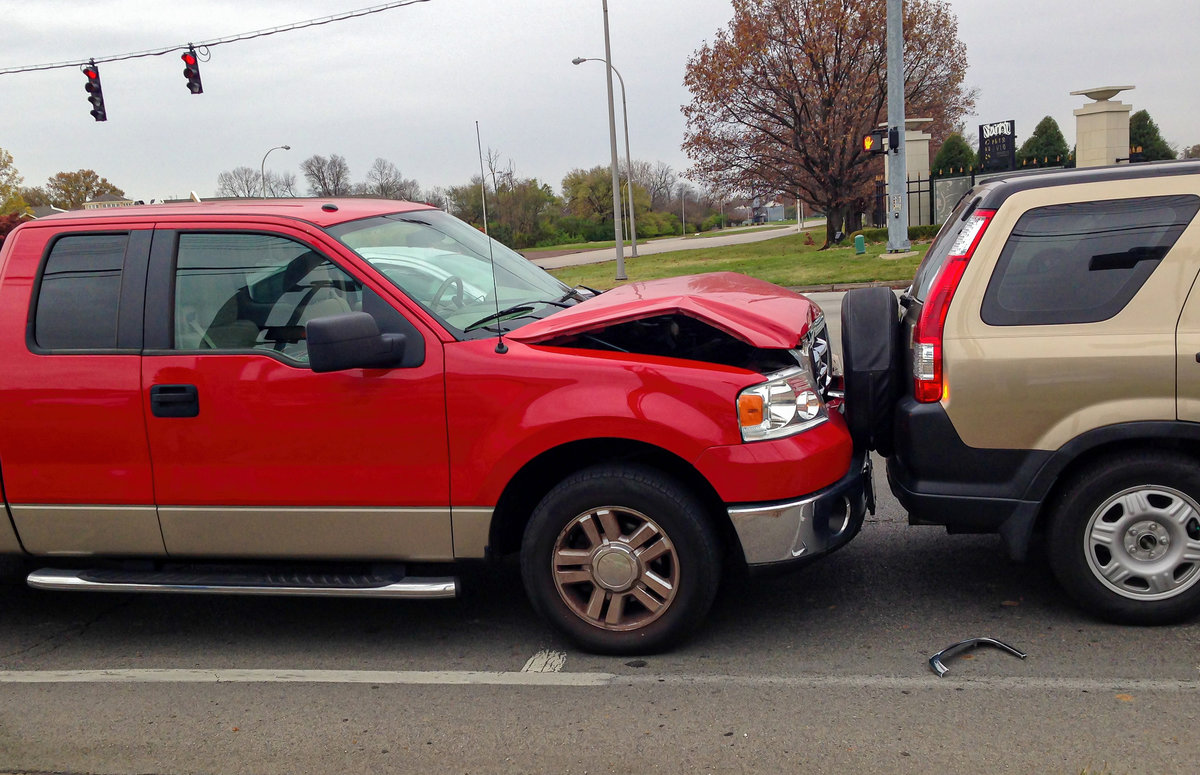
If you’re in an accident that wasn’t your fault, your rates are less likely to increase. Florida is a no-fault state, so your Personal Injury Protection, or PIP, covers your initial medical expenses regardless of who caused the crash. Still, insurance companies evaluate overall risk, and even a not-at-fault claim can sometimes be considered, especially if there’s a pattern of claims.
If you were at fault, your premium is more likely to increase. Insurance companies evaluate risk based on factors such as fault, severity of the accident, claim value, and your overall driving history.
Here’s where Florida law comes in. Under Florida Statute 626.9541(1)(o)3.a, an insurance company cannot impose a surcharge or refuse to renew your policy solely because you were involved in an accident, unless it has a good-faith basis to believe you were substantially at fault. In other words, simply using your PIP benefits or being involved in an accident, by itself, should not be the sole reason for a rate increase.
However, that does not mean your rates can never go up. Insurers can still adjust premiums based on legitimate underwriting factors, such as fault, claims history, or overall risk profile, so long as they are not acting unfairly or deceptively.
Here’s what most people don’t realize. Avoiding a claim just to keep your rates down can cost you more in the long run, especially if injuries or damage are more serious than they first appear. Medical bills add up quickly, and Florida law gives you a limited window to use your PIP benefits after a crash.
If you’re asking, “Will my insurance rates go up if I file a claim in Florida?”, the real answer is, it depends. What matters most is protecting your health, your finances, and your rights first.
Before you decide to file or not file, it’s worth understanding exactly what your policy covers and how the claim could play out. A quick conversation with an attorney can help you make that decision with clarity, not guesswork.