Legally Reviewed by Frank Marsalisi on August 25, 2026
Most motorcycle accidents in St. Petersburg happen at intersections, where left-turning drivers fail to see an oncoming rider, and on highways, where high speeds and lane changes leave little room for error. Knowing where these crashes cluster can help riders anticipate risk, and it can help injured victims understand why insurance companies often try to shift blame onto the motorcyclist.
Riding a motorcycle is not only a mode of transportation. For many, it is a relaxing hobby that helps people take their minds off daily stress, and Florida holds more than half a million registered motorcycles, second only to California. With open roads, scenic loops through the Gulf Coast, and pristine beaches, it is easy to see the appeal of cruising in and around Tampa Bay. At Marsalisi Law, we have represented riders across St. Petersburg who were hurt because another driver failed to share the road safely.
Risks Associated with Motorcycle Riding in Florida
Many factors make motorcycle riding a high-risk activity. Often, accidents happen because drivers of other vehicles fail to respect the motorcycle’s right of way. Most crashes occur in congested areas like Downtown Tampa and Downtown St. Pete. Since motorcycle riders share these areas with a greater number of vehicles, the likelihood of a crash increases, and being on a motorcycle can also increase the severity of any injuries sustained.
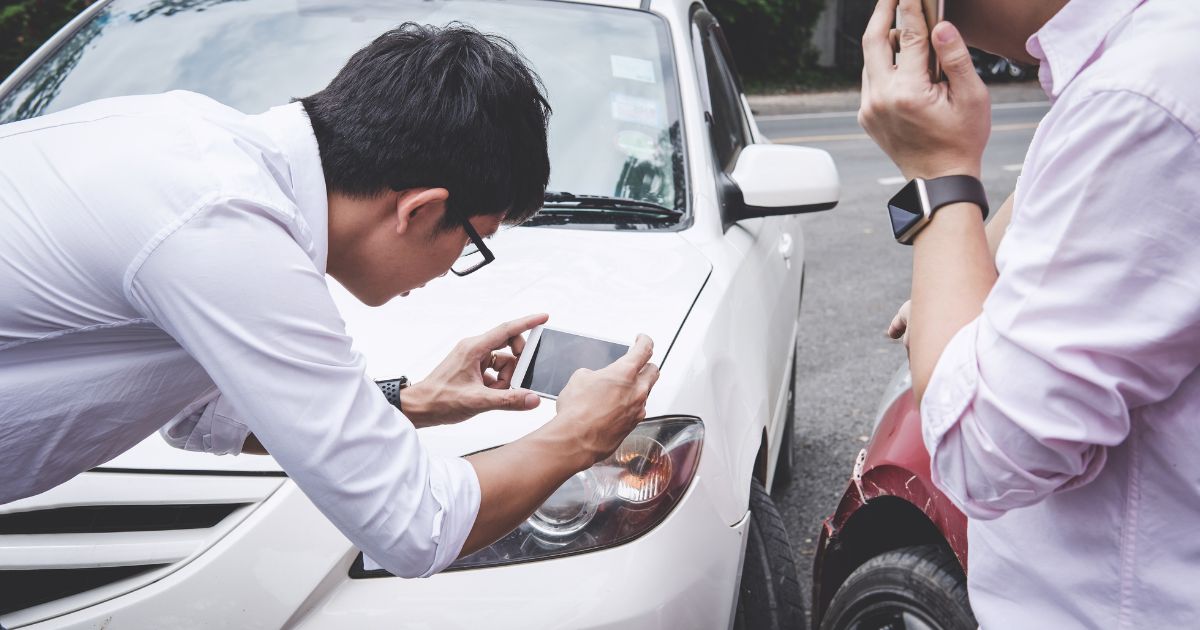
A motorcycle rider is significantly more likely to be a victim in a fatal crash than a vehicle driver or passenger, largely due to the lack of physical protection a motorcycle offers compared with a car. If you are injured, it is important to document as much of the crash as possible before connecting with a St. Petersburg motorcycle injury attorney.
Where Do Most Motorcycle Accidents Happen in St. Petersburg?
Intersections
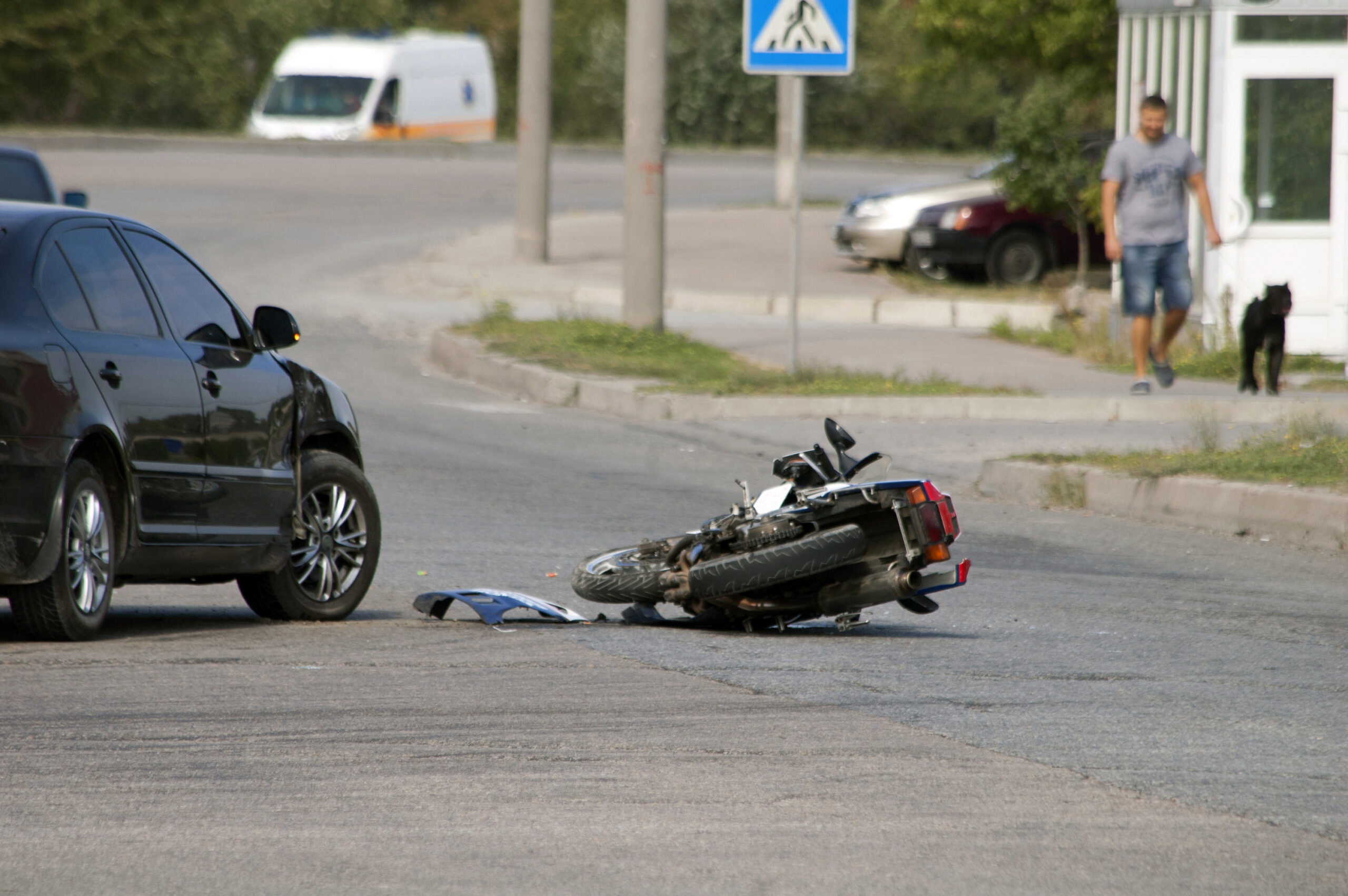
No matter what road you take, your chances of a crash increase the moment you reach an intersection. Intersections contribute to two main accident types: cars making left turns and rear-end collisions. A significant portion of two-vehicle crashes involves cars making left-hand turns and failing to notice a motorcyclist traveling straight through the intersection. Left-turn crashes can cause riders to sustain life-threatening and life-altering injuries with or without a helmet, including brain damage, broken bones, spine injuries, abdominal injuries, and facial disfigurement.
Rear-end collisions make up another large share of these crashes. The size and weight difference between a motorcycle and the average car, truck, or van can turn a rear-end collision into a life-threatening event. Drivers who are not paying attention to the vehicle in front of them may not notice that the rider has come to a stop, and even a light bump to the motorcycle’s rear tire can cause the rider to lose balance.
Highways and Interstates
Highways and interstates carry a higher risk of fatality than roads that see less traffic. More vehicles and higher speeds mean a fatal collision is possible the moment a driver changes lanes without checking for motorcycles. High speeds also result in greater force on impact, which can have disastrous effects on a rider’s body even when proper safety gear is worn.
Highway debris that obstructs a lane or flies toward oncoming traffic can force a vehicle or motorcyclist to swerve suddenly, and on a motorcycle, that maneuver is far more dangerous. Riders are also more likely to be struck directly by debris, whether from a truck that lost improperly secured cargo or from parts of another vehicle scattered across the road.
Busy Corridors and Tourist Areas
Corridors with heavy tourist and beach traffic, including the areas around the Gulf beaches, Downtown St. Pete, and major connectors like I-275 and US-19, see a disproportionate share of motorcycle crashes because of congestion, unfamiliar drivers, and frequent lane changes near exits and beach access points.
How Fault Is Determined in a St. Petersburg Motorcycle Crash
Florida applies a modified comparative negligence standard, which means an injured rider’s compensation can be reduced by the percentage of fault assigned to them, and recovery may be barred entirely if they are found more than fifty percent responsible. Insurance companies are often quick to blame the motorcyclist, sometimes citing lane position or speed even when the underlying cause was a driver’s failure to look before turning or changing lanes. This is one reason documentation from the scene, the police report, and any available surveillance or dash camera footage matters so much in these claims.
Helmet Use and Its Effect on a Claim
Florida law does not require riders over 21 who carry at least $10,000 in medical benefits coverage to wear a helmet, but choosing not to wear one can still come up during a claim. An insurance company may argue that a lack of head protection contributed to the severity of a rider’s injuries, which can affect the comparative negligence analysis even when the crash itself was entirely the other driver’s fault.
Trust a Dedicated Motorcycle Accident Lawyer to Resolve Your Claim
Attorney Frank P. Marsalisi understands how motorcycle injuries can change a person’s life. As an injury attorney who advocates for motorcycle accident victims, he has helped many people injured in motorcycle crashes through some of their most challenging times, and he takes pride in providing personalized representation to his clients. If you have been hurt due to a driver’s negligence, our firm has focused on motorcycle injuries for more than a decade, and we are available around the clock to answer your questions about your case.
From the moment you hire us to the moment your case is resolved, you can count on us to keep you informed and help you make decisions about your accident claim. Florida’s statute of limitations generally gives injury victims two years from the date of the crash to file suit, and our guide to Florida’s two-year statute of limitations explains how that deadline works.
Frequently Asked Questions About Motorcycle Accidents in St. Petersburg
What is the most dangerous location for motorcycle accidents in St. Petersburg?
Intersections account for a large share of motorcycle crashes, particularly when a driver makes a left turn without seeing an oncoming rider. Highways and busy tourist corridors also see a disproportionate number of serious collisions.
Does not wearing a helmet hurt my motorcycle accident claim?
It can factor into a comparative negligence argument even when the other driver caused the crash. An attorney can help address how an insurance company frames helmet use in your specific case.
Why do insurance companies treat motorcycle claims differently?
Adjusters sometimes assume riders were speeding or riding aggressively, which can lead to lowball offers. Scene documentation and witness statements help counter that bias with facts.
What should I do immediately after a motorcycle crash in St. Petersburg?
Seek medical attention, call the police to file a report, photograph the scene if you are able, and avoid discussing fault with the other driver’s insurance company before speaking with an attorney.
How long do I have to file a motorcycle accident claim in Florida?
Florida generally allows two years from the date of the crash to file a personal injury lawsuit. Speaking with an attorney early helps preserve evidence before it is lost.
Talk to Marsalisi Law About Your Motorcycle Accident
Working with Frank P. Marsalisi means getting direct attention from an attorney who has focused on motorcycle injury cases across St. Petersburg and the greater Tampa Bay area for years, including hundreds of riders and their families.
If you are ready to discuss your accident, complete our online contact form for a free case evaluation. This is Where Law Gets Personal!
About the Attorney
Founder, Marsalisi Law
Frank P. Marsalisi is a bilingual trial lawyer and St. Petersburg native who founded Marsalisi Law to represent people hurt in motorcycle, bicycle, and car accidents throughout the Tampa Bay area. He holds a Bachelor of Arts in Criminology from the University of Florida and a Juris Doctor from the University of Pittsburgh School of Law, and has been a member of the Florida Bar since 2008.