Editor’s note: This post was first published on August 6, 2019, while St. Petersburg was still deciding whether to allow shared e-scooters downtown. It was updated in November 2026 to explain what the city decided, how the program has changed since, and which Florida laws apply to scooter riders today. City rules can change, so check the city’s current scooter page before you ride.
In the summer of 2019, a Tampa Bay Times article described the excitement building in St. Petersburg as the city considered bringing shared eScooters to its streets. Motorized scooters were already allowed on streets and in bike lanes across Florida, and city officials had set a goal of drafting an ordinance to regulate them by the fall of 2019.
That ordinance, and the pilot program that followed, shaped how e-scooters work in downtown St. Petersburg today. At Marsalisi Law, we represent people hurt in St. Petersburg scooter accidents, and we have followed these local rules since the city first began debating them. The sections below look back at the questions the city was weighing in 2019, then cover the rules and state laws that matter if you ride or are injured today.
What St. Petersburg Was Weighing in 2019
When this post was first written, some nearby cities, including Tampa, had already embraced shared scooters and allowed riding on some sidewalks. St. Petersburg moved more cautiously. City leaders worried that busy downtown blocks might not be suitable for motorized scooters because of the number of small businesses and restaurants that draw large crowds of pedestrians.
Questions about liability and the injuries that could result if a scooter rider and a bystander collided were a major part of that discussion. City Council members planned to gather feedback from residents, and staff planned to recommend how the devices should be regulated before any rollout.
Safety Rules Under Discussion
In 2019, council members appeared to favor limiting riders to low-speed roads and bike lanes. One open question was whether helmet use would be required. Some officials were concerned that a helmet mandate could discourage use of the new option, and they discussed encouraging helmets even if the city did not require them.
A maximum speed of 15 miles per hour was also under consideration, with the possibility of lower limits in areas with heavy foot traffic. Officials also needed to decide where a rider can park their scooter, how many scooters to allow, and what hours the program would run. Without designated parking, pedestrians could trip over scooters left blocking sidewalks, and late-night riding raised visibility concerns.
How the St. Petersburg Scooter Share Program Took Shape
The city did not launch scooters in the fall of 2019 as first hoped. Its pilot program began on October 29, 2020, with Veo and Razor operating the scooters, according to WUSF and St. Pete Catalyst reporting from May 2025. Razor ended its service in 2023, leaving Veo as the only operator for a time.
That same reporting stated that riders took nearly 1.25 million trips between the October 2020 launch and late April 2025. In 2025, the city selected Lime and Spin to run a revamped program, with each company initially providing 450 scooters. Requirements for the new operators included a 15 mph speed cap, GPS and geofencing to enforce parking corrals and restricted areas, and sidewalk-detection features. Many of the issues debated back in 2019, including speed, sidewalk riding, and parking, ended up written into the program’s operating rules.
Current Riding Rules on the City’s Scooter Page
The City of St. Petersburg’s scooter safety page lists Spin and Lime as the current vendors and sets out basic rules for riders. According to the city, riders should follow these rules:
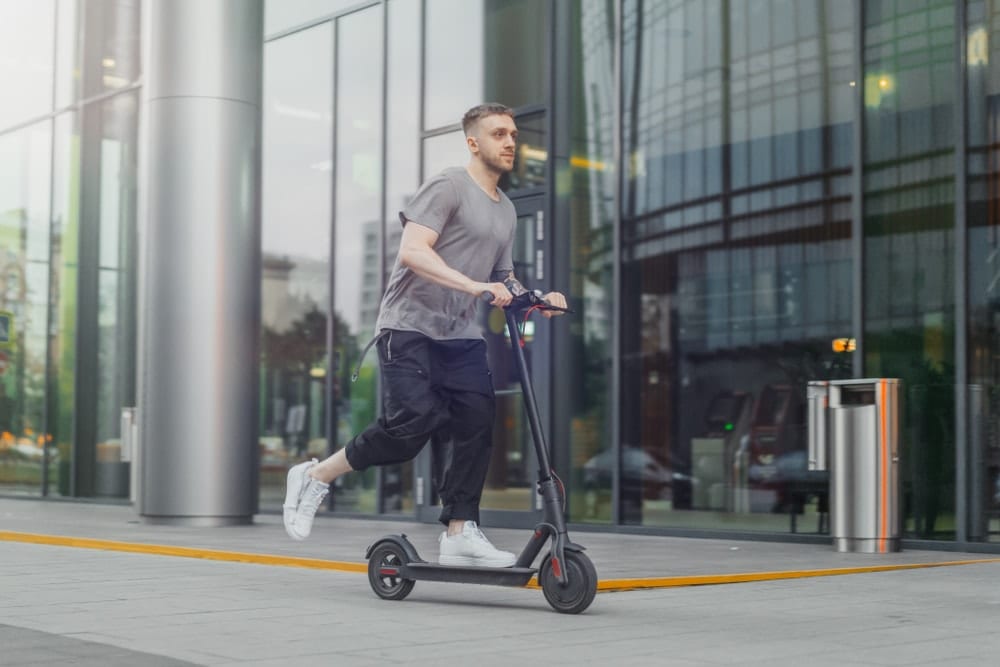
- Where to ride: Bike lanes and streets with a speed limit of 30 mph or less, plus trails, where riders must yield to pedestrians along the waterfront.
- Where not to ride: Sidewalks, against the flow of traffic, or on the St. Pete Pier itself, where scooters are parked in corrals at the base.
- Who can ride: One rider per scooter, age 18 or older, carrying a driver license or photo ID.
- Safety and parking: The city tells riders to wear a helmet and to park in designated corrals or upright out of the pedestrian path.
Breaking these rules does not automatically decide who is at fault in a crash, but it can come up when insurers and courts assess what each person did. Following the posted rules is one of the simplest ways to protect both your safety and any future claim.
What Florida Law Says About Motorized Scooters
The state also acted in 2019. The Florida Legislature passed CS/CS/HB 453 (Chapter 2019-109), which created a statewide framework for motorized scooters and micromobility devices. Under section 316.003, Florida Statutes, a motorized scooter is a motor-powered vehicle or micromobility device designed to travel on no more than three wheels that cannot go faster than 20 miles per hour on level ground. Electric bicycles are defined separately.
Under section 316.2128, Florida Statutes, a person operating a motorized scooter or micromobility device has the same rights and duties as a bicycle rider, with a few exceptions. The statute also provides that these devices do not need to be registered or insured under section 320.02, and that the operator does not need a driver license. Local governments, including St. Petersburg, may still regulate where the devices operate, set minimum ages, and require riders to carry photo ID. For a broader look at the statewide rules, see our post on what you should know about Florida scooter laws.
Why the Insurance Exemption Matters After a Crash
Because scooters are exempt from Florida’s vehicle insurance requirement, most riders do not carry a policy for the scooter itself. After a collision, compensation may come from other sources, such as the at-fault driver’s bodily injury liability coverage, your own uninsured motorist coverage, or other policies in your household. Whether personal injury protection (PIP) applies to a scooter rider can depend on how the policy and Florida’s no-fault statute treat the device, so it is worth having the policies reviewed before you assume what is covered. Our post on who may be liable for dockless electric scooter accidents covers the parties that can share responsibility.
Early Crashes That Shaped the Safety Conversation
The City of St. Petersburg took the e-scooter proposal seriously in part because of what other cities were seeing. In June 2019, a man riding a rented e-scooter in Tampa died days after a collision with a semi-trailer truck, according to Tampa Bay Times reporting at the time. Nationally, Consumer Reports counted at least eight U.S. deaths tied to rentable e-scooters between the fall of 2017 and early June 2019.
Scooter riders have no vehicle frame, airbags, or seat belts around them, so even a low-speed collision with a car can cause serious harm. Head injuries, fractures, and road rash are common concerns. Our post on the top causes of electric scooter accidents explains how distracted drivers, road conditions, and equipment defects can contribute.
If You Are Hurt on an E-Scooter in St. Petersburg
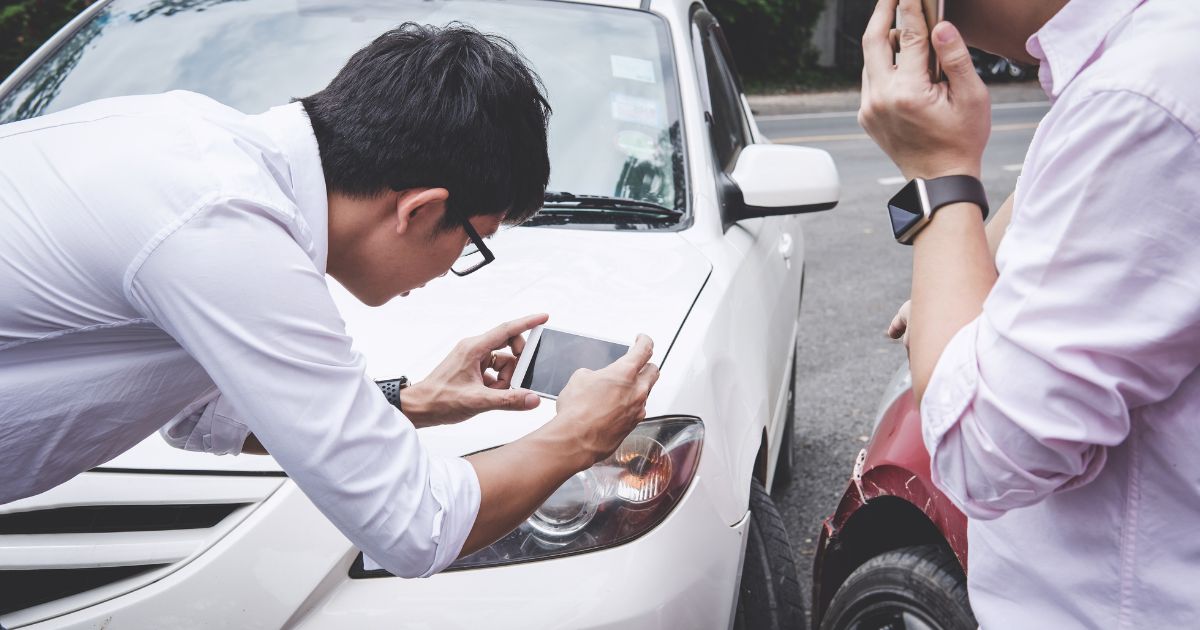
If you are injured in a scooter crash, get medical care first, then preserve what you can. Photos of the scene, the scooter’s condition, and any vehicle involved can help. So can the names of witnesses, the crash report number, and your ride history in the operator’s app, which may show your route, speed, and the time of the trip.
Depending on the facts, a person hurt in an e-scooter accident may be able to seek compensation for losses such as lost wages and time away from work, reduced ability to work, medical bills and ongoing care, pain and suffering, property damage, and the cost of transportation to and from medical appointments. Florida generally gives injured people two years from the date of a negligence-based injury to file a lawsuit, so it helps to speak with an attorney well before that deadline.
Talk With a St. Petersburg Scooter Accident Attorney
The compassionate legal team at Marsalisi Law is here for you through this difficult time. Frank P. Marsalisi has been a member of The Florida Bar since 2008 and founded Marsalisi Law in 2014. He is a member of the Tampa Bay Trial Lawyers Association. We personally address every aspect of your case, even if that means coming to you, and we keep you informed about what is happening at each stage.
If you were hurt while riding a scooter, or were struck by one, we can review what happened and explain your options in a free consultation. Contact our office today online for a free case evaluation to learn what your rights are and how to proceed with an eScooter accident case.
Frequently Asked Questions About E-Scooters in St. Petersburg
When did shared e-scooters start in St. Petersburg?
St. Petersburg’s scooter share pilot began on October 29, 2020, with Veo and Razor as the first operators, according to May 2025 reporting by WUSF and St. Pete Catalyst. In 2025 the city selected Lime and Spin to run a revamped program, and the city’s scooter page now lists Spin and Lime as its vendors.
Can you ride an e-scooter on the sidewalk in St. Petersburg?
No. The city’s scooter safety page says riders may not use sidewalks or ride against the flow of traffic. Riders may use bike lanes and streets with a speed limit of 30 mph or less, and trails where they yield to pedestrians along the waterfront. Scooters are not allowed on the St. Pete Pier itself.
Do you need a driver license or insurance to ride a scooter in Florida?
Under section 316.2128, Florida Statutes, a motorized scooter does not need to be registered or insured under section 320.02, and the operator does not need a driver license. Local rules can still apply. St. Petersburg’s share program requires riders to be at least 18 and to carry a driver license or photo ID.
Who pays if a car hits me while I am riding an e-scooter?
It depends on the facts and the policies involved. Compensation may come from the at-fault driver’s bodily injury liability coverage, your own uninsured motorist coverage, or other household policies. Whether PIP applies to a scooter rider can depend on the policy language and how Florida’s no-fault law treats the device, so a policy review is a good first step.
How long do I have to file a scooter accident lawsuit in Florida?
For most negligence claims arising after March 24, 2023, Florida law generally allows two years from the date of the injury to file a lawsuit. Some situations, such as claims involving a government entity, have different notice rules and deadlines, so it helps to speak with an attorney soon after the crash.