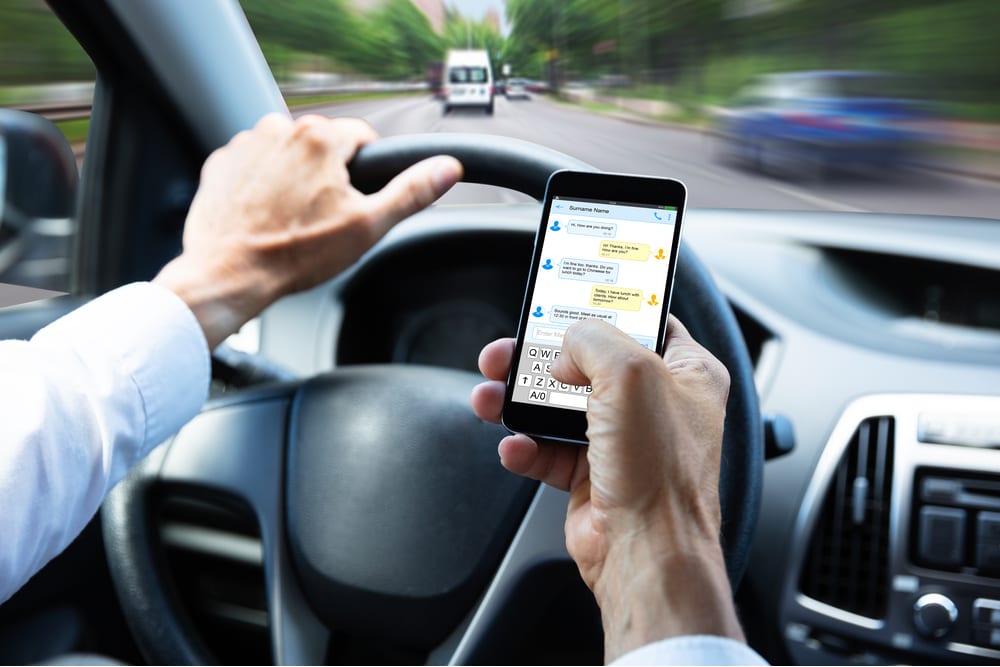
These days on the road, it’s not an uncommon sight to see drivers with their eyes glued to their cell phones while operating their cars. Texting and other actions that distract from driving remain among the leading causes of car accidents. According to the National Highway Traffic Safety Administration (NHTSA), distracted driving contributes to thousands of deaths nationwide each year, a toll that’s entirely avoidable.
What are the Risks of Distracted Driving?
It doesn’t take long for a car accident to occur from driving distracted. According to the NHTSA, the average person takes about five seconds to read or respond to a text while driving. Taking your eyes off the road for five seconds while driving at 55 mph is roughly equivalent to driving the length of a football field with your eyes closed.
The U.S. Department of Transportation (USDOT) has reported that texting while driving can increase the risk of a crash by many times over. Most people are aware of the risks, yet even with Florida’s law making distracted driving a primary offense, drivers continue to ignore the dangers, and accidents keep happening because of it.
What Proves that a Driver was Distracted?
There are critical pieces of evidence that your car accident attorney can use to prove that the driver who caused your accident was distracted. You can personally gather some evidence as the victim of the accident, while your attorney can more easily obtain other pieces of relevant evidence. The following are various forms of evidence that can be used to help prove that the driver who caused the accident was distracted at the time it occurred:
Evidence at the Scene of the Crash
In the minutes following your car accident, if you’re able to, look for signs that might show the other driver was distracted before crashing into you. Distracted driving is most often caused by cell phone use, but drivers can become distracted in other ways too. Examples of evidence include:
- A cell phone on the passenger’s seat that’s still unlocked
- A cell phone in the driver’s hand after exiting their vehicle
- Fast food bags or wrappers near the driver’s seat
- A pet in the driver’s car
- Loose makeup or a makeup bag near the driver’s seat
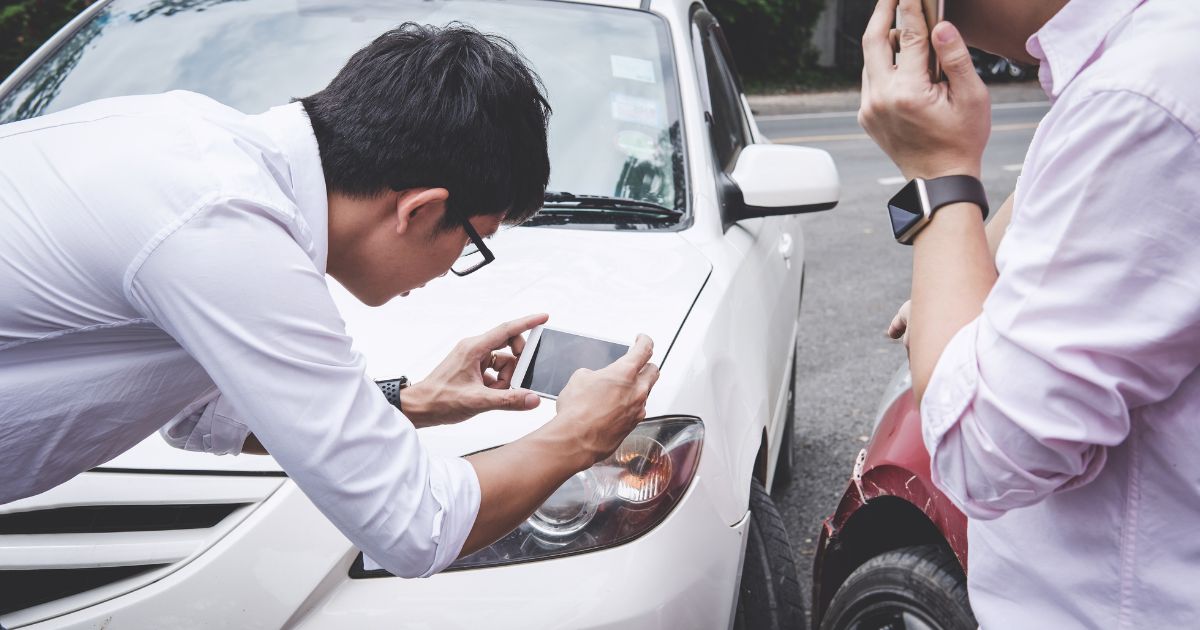
If you’re able to, take a photo of what you see in the moments after your accident. The sooner you document the scene, the less likely that evidence can be moved or lost.
Cell Phone Records
In severe car crashes, a judge can approve a subpoena for the driver’s cell phone records to show if any calls or text messages were sent or received around the time of the crash. While receiving a text message while driving isn’t itself illegal in Florida, it can still be helpful evidence if the message arrived in the minutes before the accident.
Activity on Social Media
Similar to cell phone records, social media activity can indicate whether a driver was distracted. This evidence is often easier to obtain than subpoenaed cell phone records, since much social media activity is publicly visible. Public posts made in the minutes before or during a crash may be used as evidence of distraction.
Vehicle Data
As technology advances, so do cars. Many vehicles are equipped with sophisticated computer systems that log vehicle activity, including speed and control inputs, which can help establish whether a driver was distracted behind the wheel.
Police Reports
When law enforcement responds to the scene, they’ll generate a report with details on the accident. If the responding officer notes that the driver admitted to being distracted, that information can be particularly useful later in the claims process.
Confidential Consultation with a St. Petersburg Auto Accident Attorney
If you’ve been injured in a car accident in Florida because another driver was distracted, you may be entitled to compensation. Proving that a driver was distracted, however, can be challenging. In St. Petersburg, Frank P. Marsalisi of Marsalisi Law works with car accident victims to help pursue the compensation they may be owed. His experience can help you gather the evidence necessary to show the driver who caused your accident was distracted.
Marsalisi Law offers free consultations to new clients. For guidance on your car accident claim, complete an online contact form or call today at (727) 800-5052.
Marsalisi Law is Where Law Gets Personal.
Frequently Asked Questions About Proving Distracted Driving
Is receiving a text message while driving illegal in Florida?
Simply receiving a text isn’t itself illegal, but actively texting while driving is prohibited under Florida’s distracted driving law. Records showing a message arrived shortly before a crash can still be useful evidence.
Can social media posts really be used as evidence?
Yes. Public posts made around the time of a crash can sometimes serve as evidence of distraction, and this information is often easier to access than subpoenaed phone records.
How do I get a driver’s cell phone records for my case?
In more severe crashes, an attorney can request a judge’s approval for a subpoena of the driver’s cell phone records to check for activity around the time of the accident.
What should I photograph at the scene if I suspect distraction?
Photograph anything that might indicate distraction, such as a phone visible in the vehicle, food wrappers, or other items near the driver’s seat, as soon as it’s safe to do so, before it can be moved.