Distracted driving becomes an even greater risk during the back-to-school season because drivers face heavier traffic, unfamiliar drop-off routines, frequent school bus stops, and more children walking or biking near St. Petersburg schools.
A few seconds spent looking at a phone, adjusting directions, or turning toward a child in the back seat can be enough to miss a stopped vehicle or a student entering the roadway.
What Distracts Drivers During the School Rush?
Common back-to-school driving distractions include:
- Reading or sending a text
- Using a navigation app
- Looking for a school entrance or parking space
- Speaking to children in the back seat
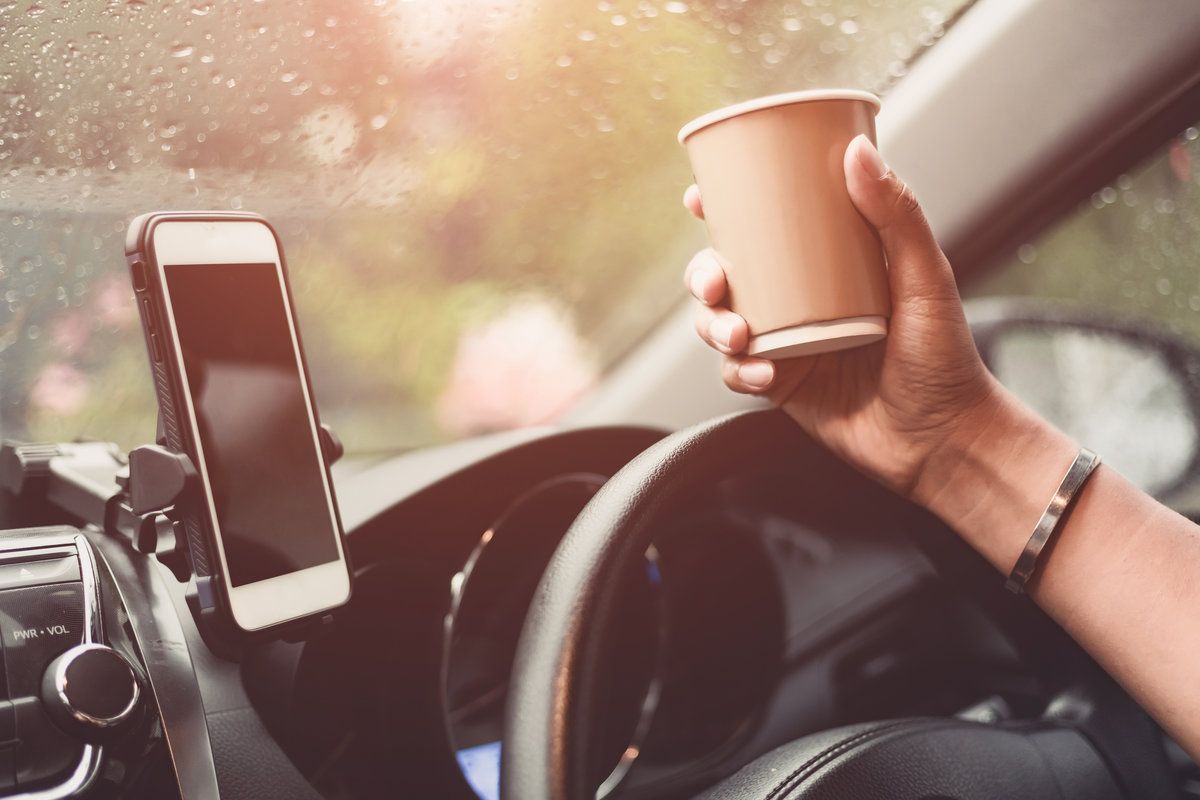
- Eating or drinking
- Driving while rushed, tired, or stressed
Even brief distractions can significantly increase stopping distance when traffic slows unexpectedly near schools or crosswalks. These distractions become particularly dangerous around crosswalks, bus stops, bike lanes, and crowded drop-off lines.
Can Drivers Use Handheld Phones in Florida School Zones?
Florida law prohibits drivers from using a handheld wireless device while driving through a designated school crossing or school zone.
Hands-free use may be permitted, but it can still create a mental distraction. Drivers should put the phone away before entering a school zone and remain focused on children, crossing guards, buses, and changing traffic signals. A St. Petersburg distracted driving lawyer can explain how these laws apply after a school-zone crash.
How Does Distracted Driving Cause School-Zone Accidents?
A distracted driver may fail to notice:
- A child crossing between parked vehicles
- A school bus displaying flashing red lights
- A crossing guard directing traffic
- A vehicle stopping suddenly
- A bicyclist traveling beside the vehicle
- A reduced school-zone speed limit
Children can be difficult to see and may not always recognize when it is unsafe to cross. Drivers should slow down, leave additional space, and expect the unexpected.
Can Distraction Be Proven After an Accident?
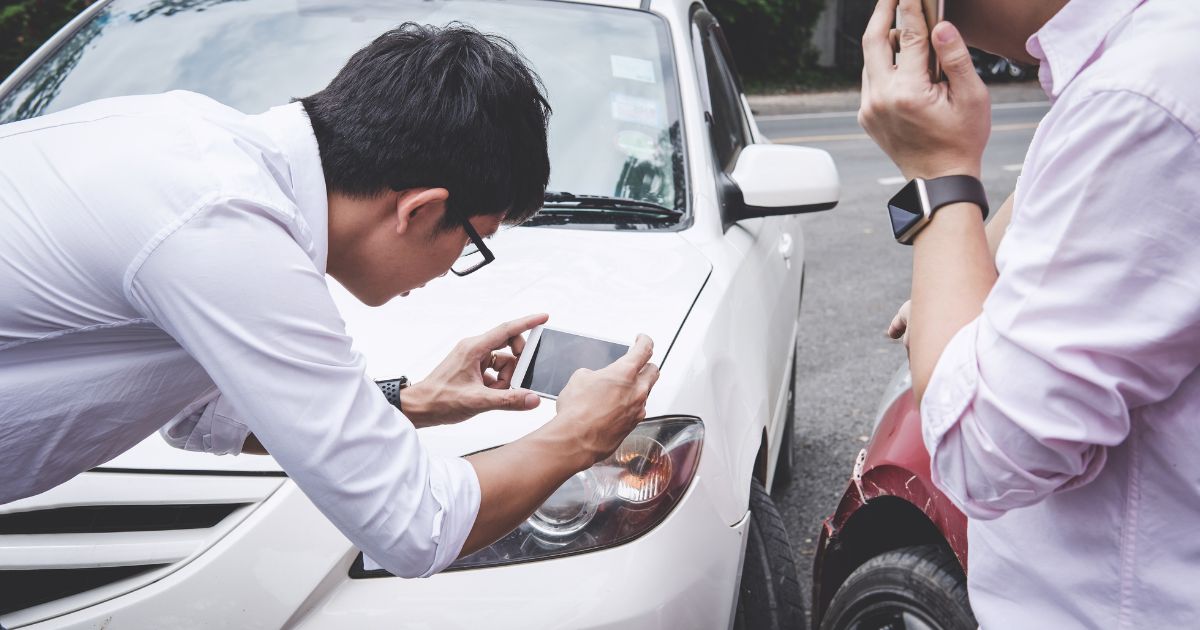
Evidence such as phone records, surveillance video, witness statements, photographs, and the police report may help establish whether distraction contributed to the accident.
Anyone injured in an accident should seek medical care promptly and document the scene when it is safe. This same evidence often supports a car accident claim regardless of what caused the driver’s distraction. Surveillance footage, dash camera recordings, and electronic evidence are often deleted or overwritten within days or weeks, so acting quickly can be important.
Injured by a Distracted Driver in St. Petersburg?
Back-to-school traffic calls for extra patience throughout St. Pete. Putting the phone away and allowing more time for the morning or afternoon drive can help protect students, families, crossing guards, and everyone sharing the road.
One of the biggest misconceptions we see is that distracted driving can only be proven with cellphone records. In many cases, witness statements, surveillance video, dash-cam footage, and the driver’s own statements can be just as important in determining whether distraction contributed to a crash.
Distracted driving accidents often require prompt action to preserve phone records, surveillance footage, and other important evidence. Marsalisi Law can evaluate the circumstances of your accident and explain your legal options during a free consultation. Visit marsalisilaw.com to learn more or schedule a consultation.