Florida school zone laws often play an important role in determining fault after an accident involving a driver, pedestrian, bicyclist, or child. If a driver was speeding, using a handheld phone, ignoring a crosswalk, or improperly passing a stopped school bus, that violation may help show that the driver failed to operate the vehicle safely.
However, being injured near a school does not automatically establish who was responsible. The circumstances of the accident, available evidence, and actions of everyone involved must still be reviewed.
What Is the Speed Limit in a Florida School Zone?
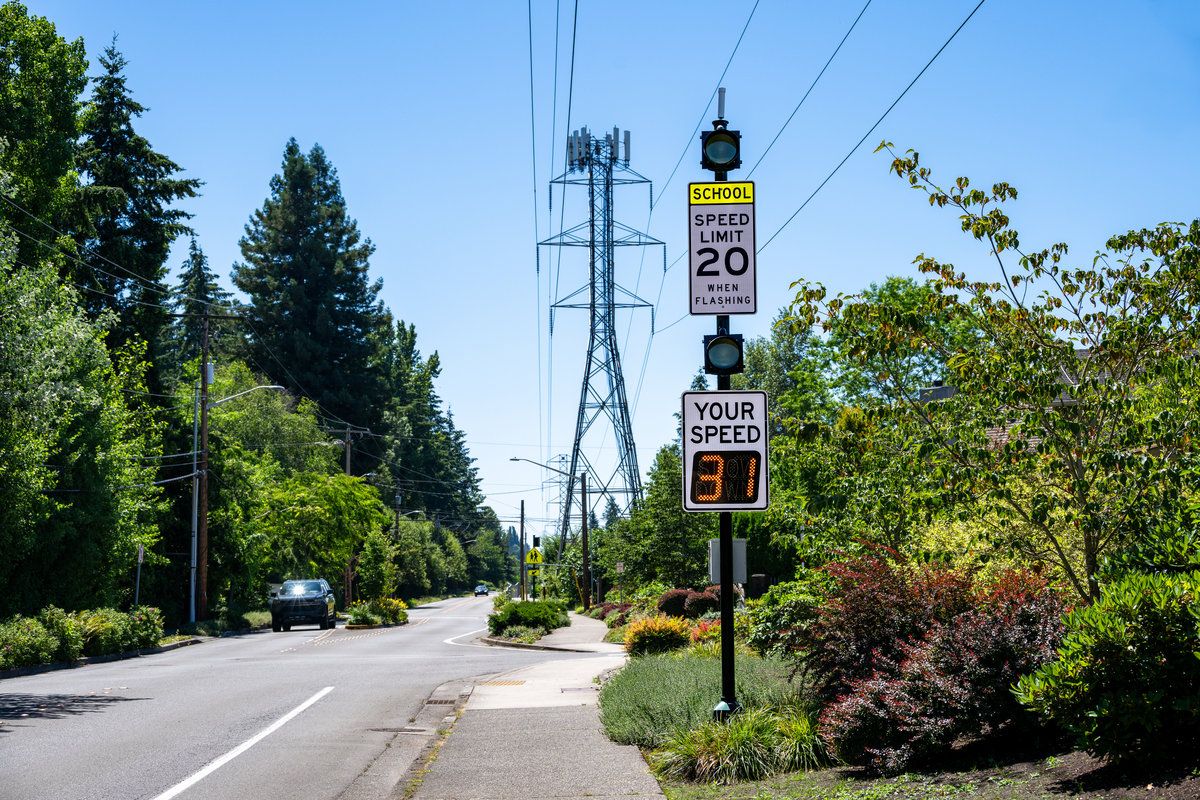
Under Florida law, school zone speed limits are generally 15-20 mph when the posted restrictions are active. Drivers should follow the signs, flashing lights, and designated enforcement times at each location.
Speeding in an active school zone is a moving violation, and Florida law generally doubles the applicable fines during the posted enforcement period. After an accident, evidence that a driver exceeded the school zone speed limit may support an injury claim.
Are Drivers Required to Stop for Pedestrians?
Florida drivers must stop or yield to pedestrians in crosswalks as required by Florida law. Drivers must also exercise additional care when they see a child near the roadway.
At St. Petersburg schools, children may walk, bike, or cross from surrounding neighborhoods. A driver who fails to yield, blocks a crosswalk, or passes another vehicle stopped for a pedestrian may be held responsible if that behavior causes an injury. A St. Petersburg pedestrian accident lawyer can help determine whether a crosswalk violation contributed to the crash.
Can Drivers Use a Phone in a Florida School Zone?
No. Florida prohibits drivers from using a handheld wireless device while operating a vehicle in a designated school crossing or school zone.
If a driver was holding a phone immediately before an accident, phone records, witness statements, video footage, or the driver’s own statements may become important evidence. These details often become central to a distracted driving claim when a driver was holding a phone at the time of the crash.
What Are Florida’s School Bus Stopping Laws?
Drivers approaching a school bus displaying flashing red lights and an extended stop arm must stop. Drivers traveling in the opposite direction generally must stop as well unless an exception applies.
The exception applies when the road is divided by an unpaved space at least 5 feet wide, a raised median, or a physical barrier. A painted line or center turn lane is not enough.
Passing a stopped school bus can cause devastating injuries to children entering or leaving the bus. A violation of Florida’s school bus stopping law may be significant when determining responsibility after an accident.
Who Can Be Held Responsible After a School Zone Accident?
Depending on what happened, responsible parties may include:
- A speeding or distracted driver
- A vehicle owner who permitted someone else to drive
- A commercial driver or employer
- A driver who failed to yield at a crosswalk
- A driver who illegally passed a stopped school bus
- Another party whose actions contributed to the accident
Determining liability often requires reviewing the crash report, witness statements, photographs, surveillance footage, and any available electronic evidence.
Florida follows a modified comparative fault system. An injured person’s compensation may be reduced by their percentage of responsibility. A person found more than 50 percent at fault generally cannot recover damages in a negligence claim.
What Should You Do After a School Zone Accident?
If you or your child is injured near a St. Petersburg school:
- Call law enforcement and request a crash report
- Seek medical attention promptly
- Photograph the vehicles and accident scene
- Capture school-zone signs, flashing lights, crosswalks, and road markings
- Collect contact information from witnesses
- Look for nearby school, business, bus, or traffic cameras
- Avoid giving a recorded statement to the other insurance company before understanding your rights
Florida’s PIP law generally requires initial medical care within 14 days of a motor vehicle accident for PIP medical benefits. Waiting can affect both your recovery and your ability to obtain certain PIP insurance benefits.
Talk With a St. Petersburg Personal Injury Attorney
School zone accidents often involve children, pedestrians, and bicyclists, and often involve multiple insurance issues. Evidence can disappear quickly, especially surveillance footage and electronic records.
One issue we frequently encounter is the assumption that a driver who violated a school-zone law is automatically responsible for the accident. While those violations may become important evidence, liability still depends on the specific facts and circumstances of each case.
School-zone accidents often involve unique legal and insurance issues that require a careful review of the available evidence. Marsalisi Law can evaluate the circumstances of your accident, identify potentially responsible parties, and explain your legal options during a free consultation. Visit marsalisilaw.com to learn more or schedule a consultation.