
Truck accidents are among the most serious collisions that occur on Florida roads. The sheer size and weight of a commercial truck mean that when something goes wrong, the consequences for anyone else involved are often catastrophic. If you have been hurt in a truck accident in Largo, you need a lawyer who knows how to take on trucking companies and their insurers.
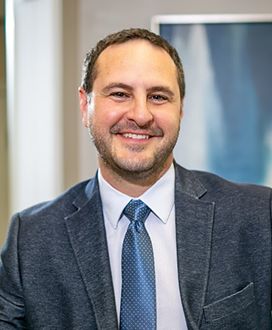
Marsalisi Law has been fighting for injured people across the greater Tampa Bay area for more than 18 years, and Frank P. Marsalisi handles every case personally, without passing your file off to a paralegal or case manager. When you retain our firm, you get our attorney’s full attention from the first call to the final resolution.
Truck Accidents in Largo and Pinellas County
Largo sits along several major commercial corridors that see consistent heavy truck traffic. Missouri Avenue, East Bay Drive, and proximity to Interstate 275 make this area a regular route for commercial vehicles hauling freight across Pinellas County and beyond. When fatigued, distracted, or poorly trained truck drivers share these roads with everyday motorists, the risk of a serious collision rises significantly.
According to the Federal Motor Carrier Safety Administration, large trucks were involved in tens of thousands of injury crashes nationally in a single year, with 83 percent of fatalities in those crashes being non-truck occupants. The occupants of passenger vehicles, cyclists, and pedestrians bear the greatest risk when a commercial truck is involved in a crash.
How Liability Works in a Truck Accident Case
Truck accident claims are fundamentally different from standard car accident cases. The regulatory framework governing commercial trucking is extensive, and multiple parties may share liability for a single crash.
Common Causes of Truck Accidents in Largo
Truck accidents rarely happen without a traceable cause. The following are among the most frequent contributing factors:
- Driver fatigue: Federal hours-of-service rules exist precisely because drowsy driving is a well-documented danger in the trucking industry, and violations of those rules are common;
- Distracted or impaired driving: Truck drivers who use phones, eat, or operate under the influence of substances put every other person on the road at serious risk;
- Improper loading: Cargo that is overloaded, unevenly distributed, or inadequately secured can cause a truck to become unstable or lose its load entirely;
- Inadequate maintenance: Brake failures, tire blowouts, and other mechanical issues are often the direct result of a trucking company cutting corners on required inspections;
- Speeding or aggressive driving: Large commercial vehicles require significantly more distance to stop, making excessive speed especially dangerous on high-traffic roads throughout Largo and Pinellas County.
Understanding what caused the crash is only the first step. Determining whether liability falls on the driver, the trucking company, a cargo loader, or a vehicle manufacturer requires a thorough investigation that should begin as early as possible.
Who May Be Held Liable After a Largo Truck Accident
One of the most important distinctions in truck accident cases is that liability often extends well beyond the driver behind the wheel. Trucking companies may be held responsible for the actions of their drivers, particularly when negligent hiring, inadequate training, or pressure to meet delivery deadlines contributed to the crash. Third-party maintenance contractors, cargo companies, and even vehicle manufacturers may also bear responsibility depending on the circumstances.
Our St. Petersburg truck accident injury lawyer page outlines the full scope of how these claims are pursued, including how federal regulations factor into establishing negligence. When a truck accident results in a fatality, surviving family members may have the right to pursue a wrongful death claim for the losses they have experienced.
What Monetary Compensation May Cover
A serious truck accident can produce losses that extend far beyond the immediate aftermath of the crash. Depending on the severity of your injuries, you may be able to seek monetary compensation for current and future medical treatment, lost wages and diminished earning capacity, physical pain and lasting discomfort, and the emotional toll the accident has taken on your life.
In cases involving severe head or spinal trauma, our traumatic brain injury attorney page provides more detail on how those claims are evaluated. Florida’s modified comparative fault rule means that if a trucking company’s defense team argues you share responsibility for the crash, the outcome of your claim may be significantly affected. Having an experienced lawyer involved early helps protect your recovery.
Marsalisi Law Is Ready to Fight for Largo Truck Accident Victims
After a truck accident, you are not simply dealing with another driver. You are up against a trucking company, a fleet insurer, and a legal team whose entire job is to minimize what you recover. Frank P. Marsalisi has spent more than 18 years protecting injured people in exactly these situations, and his commitment to each client is the same: thorough, personal representation with no handoffs to support staff or case managers.
Marsalisi Law has recovered millions of dollars for injured people across Pinellas County and the greater Tampa Bay area, and our more than 300 five-star Google reviews reflect the trust clients place in us during some of the most difficult moments of their lives. Frank is bilingual in English and Spanish, and our firm is available 24 hours a day, seven days a week. For additional resources related to vehicle accidents in the area, visit our Largo car accident lawyer page. Marsalisi Law is Where Law Gets Personal! To take the first step toward protecting your rights, contact us today using our online form.